
There are 23 million people living with dementia in the Asia Pacific Region in 2015, costing the region a whopping US$185 billion. Little education exists on dementia for our children aside from countries such Australia, Japan, with some children attaining information in countries such as Korea, Singapore, Taiwan and China. However, there is nothing in the national curriculums to prepare children for Dementia or help children to fully understand the need of dementia inclusive enabling communities or the preventative measures required for them to put in place at a young age to reduce their risk of dementia especially those brought about by lifestyle factors.
Ireland with slightly less than half the number of people living with dementia at approximately 20,000 people, and a population of 1.8 million and a land mass of 14,130 km2. Alzheimer’s Society reported that at least 30% of the young will know a person living with dementia. Last Wednesday it was announced on the Alzheimer’s Society website that Alzheimer’s Society and the Council for the Curriculum, Examinations and Assessment have included dementia in the school syllabus, making Northern Ireland the first to have a dementia friendly generation.
The resources are also available not just in English but also in the Irish language. Click here to view resources.
PRIMARY SCHOOL: The Archie Project from Reminiscence Learning has created a unique and innovative intergenerational awareness project to reduce the stigma associated with dementia. They believe that by engaging with young children they are dispelling the fear of dementia and changing the attitudes of our workforce for the future, providing education to support early diagnosis. Archie’s Story follows a scarecrow with dementia on his journey from exclusion to inclusion. The accompanying Archie workbook goes on to help children understand how Archie’s state of wellbeing improves by being understood, loved and included — a simple concept but one that both children and adults can relate to. The Archie Project provide books, workbooks, assemblies, scarecrow parades, Archie-related activities, training, drama and recognisable merchandise so that everyone can connect with the Archie character and learn how to engage with people with dementia in their families and communities. Links between schools and care homes enable children to put their new dementia awareness into practice. By increasing their knowledge of dementia, the project gives them confidence to interact with residents during visits to local care homes, where they take part in shared activities such as singing, gardening activities, coffee mornings, shared lunches, snooker, craft activities, tea dances and storytelling. Archie mascots encourage conversation and engagement with people at all stages of dementia. For more information visit www.reminiscencelearning.co.uk/archie (Source Alz Soc Youtube)
The promotion of dementia awareness not only helps us to create a better multi-generational dementia inclusive society but for our children, it will help them better understand the need for education and the impacts of negative lifestyle choices. A study based on a Comparison of the Prevalence of Dementia in the United States in 2000 and 2012 published in JAMA internal Medicine on the 21st November indicated that education appears to be a protector against dementia. Dr Kenneth Langa theorises that education “actually creates more, and more complicated, connections between the nerve cells so that you’re able to keep thinking normally later into life.”
In addition, Director of the Division of Behavioral and Social Research in the National Institute on Aging, John Haaga adds that “Education can not only change the brain, it can change your whole life… It affects what kind of work you do, of course. It also affects who your friends are, who you’re married to, whether you’re married. All aspects of life are affected by educational attainment.”
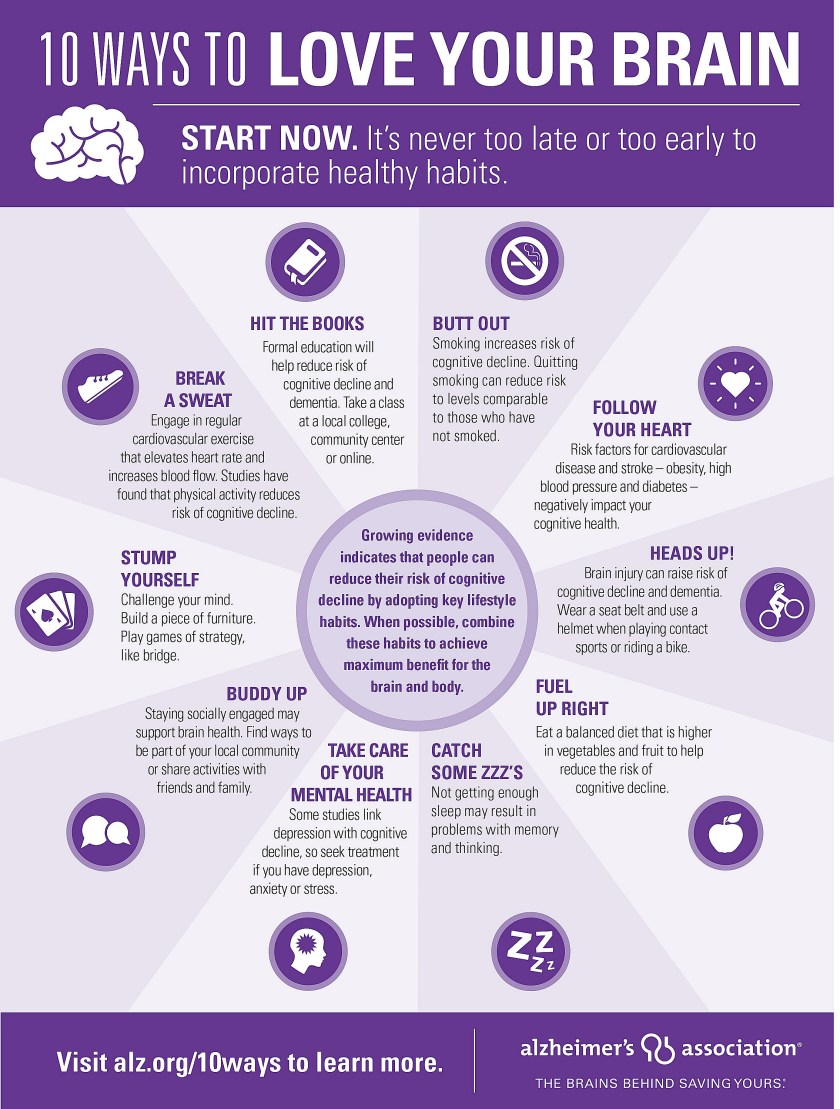
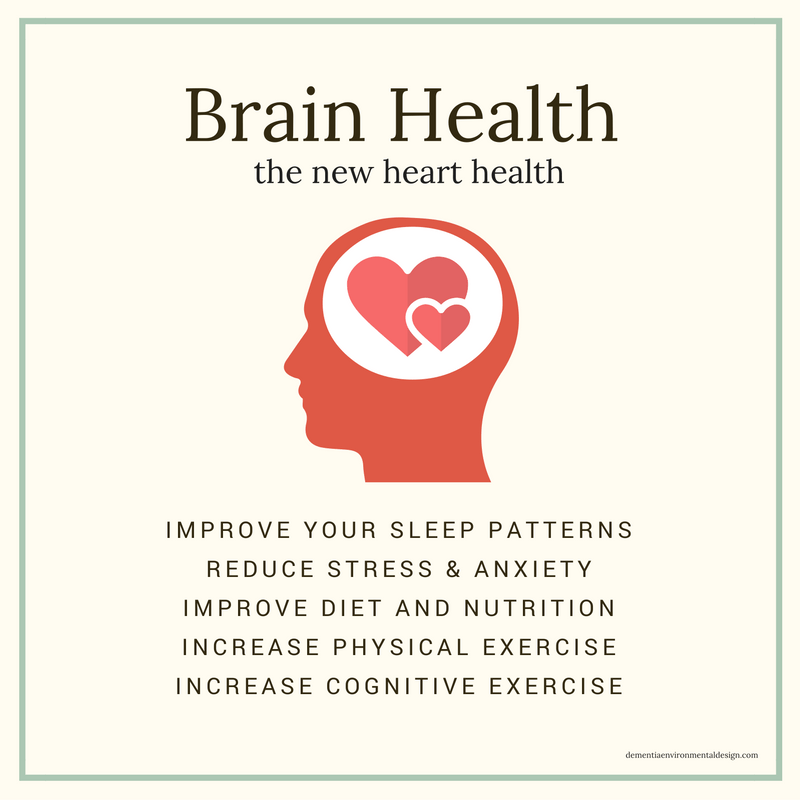
When children learn about dementia and the brain, they will also learn about the risk factors which will help them to adhere to healthier lifestyle choices. According to Dr Alina Cohen, “factors such as adhering to a healthy lifestyle including a diet that is rich in essential nutrients, regular exercise engagement, and having an adequate cardiovascular profile all seem to be effective ways by which to preserve cognitive function and delay cognitive decline.” This study by York University presented evidence that the delay of dementia is connected with healthy living which in turn aids higher brain function. On a whole, our children will understand the importance of education, strategies to building cognitive resilience and understand the need for a healthy lifestyle for a healthy brain. There are a whole lot more pros than cons in this picture and policy makers should really sit up and start using their brains to look at how this can be implemented. Students will be able to understand the effects of stress on the brain, the importance of prevention and help-seeking behaviours especially in the areas of anxiety and depression. On a systemic level, this will create not only a friendlier, integrated and healthier multi-generational society but one that in the future may potentially see a reduction in healthcare spending as a result of unhealthy lifestyle choices.
SECONDARY SCHOOL: In the summer of 2012, Stoke Damerel Community College was invited to become one of 21 Pioneer Schools as part of the Prime Minister’s Challenge on Dementia. The school took a unique approach to dementia education, placing it across the curriculum into as many subjects as possible and endeavouring to work in partnership with their community and local and national organisations. They placed emphasis on creative processes and outcomes, intergenerational contact and active learning. Subject leaders were actively engaged in determining the shape of dementia education in their own subjects. Some of the most successful projects at the school were those that involved creative ways of working and intergenerational activities. For example, as part of the PE curriculum, people with dementia visited the school to play croquet with year 7 students. For more information visit http://www.sdcc.net (Source Alz Soc Youtube)
In addition to Primary and Secondary school, Scout groups have also joined the cause On such program is A Million Hands a program that supports 4 main social issues, dementia being one of the four that have been selected by the young. The objective is to empower and enable the young and the youths to tackle these issues head on and have the courage to make a change. In the areas of dementia, Scouts may find themselves helping people with dementia to fight isolation or helping with awareness by teaching people to spot signs and symptoms of dementia.They may work to try and work to make communities more accessible and even work to campaign for a cure and improve the lives of people with dementia.
Dementia as part of the educational curriculum could well be a means to improve not just the future of our children but perhaps the society as a whole.





 Designing for Aged Care