Posted in Ageing & Culture, Caregiving, International Policies, Research & Best Practice, The Built Environment, Therapeutic Activities

Food Nostalgia Workshops, a deliciously fresh idea to support Dementia

One of my fondest memories working in aged care in Australia was the talking about Christmas recipes with all the residents during this holiday season. For many of us who have slaved over the stovetop during the festive seasons, you know what I am talking about. To get that perfect Christmas fruitcake was a project months in the making. I usually worked the Christmas shifts and we would always get together and you could see all the ladies eyes lit up like the fairy lights on the Christmas tree as we chatted away about our favourite Christmas dishes, the delectable treats and without a doubt, everyone, literally all the ladies had some cooking tips and advice to share. Sometimes, even their families would join in the conversation and I had to pry myself out of the room haha. From Pavlovas, Dundee cakes, Christmas cakes, brandy butter to Medisterkaker. Everyone had something lovely to share. You can tell I love the Christmas season.

dinner-meal-table-wine-medium

Anyway I found out that in the UK, Magna Vitae is working on a new health initiative to support people with dementia and their caregivers. Guess what? It’s all about food! In January 2016, they will be running a string of dementia friendly workshops known as ‘Feeding Memories’ for people with dementia and their caregivers in the UK.

This workshop certainly breathes innovation, food is such an important component in our daily lives. The workshop is a food reminiscence therapy programme, helping to ‘revive the senses’ through utilising food packaging from the past and it seems like there might be some cooking involved as well. It doesn’t stop there, the workshop has an inclusive and community aspect, sharing the importance of nutrition, diet and getting people socially engaged in their common love for food.

I’m really excited about the workshop and I hope that there will be more of these workshops to go around, especially in the Memory Cafes.

Anyway here’s wishing everyone Happy Holidays.

xoxo

Jo

Source: http://www.magnavitae.org/mvitae/about

Posted in Ageing & Culture, Caregiving, International Campaigns, International Policies, Research & Best Practice, The Built Environment, Therapeutic Activities

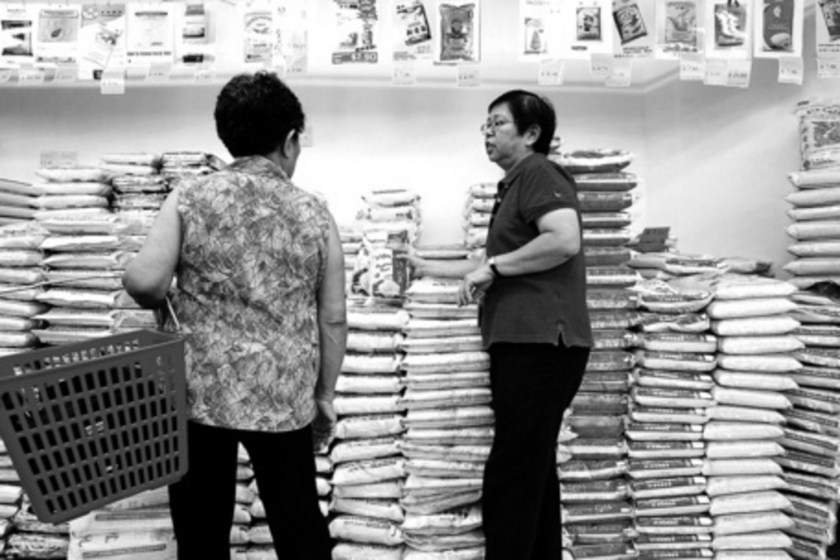
Enabling Village: Promoting social connections at supermarkets 

Yesterday’s post about seniors taking their own lives really hit a nerve and today, like a ray of sunshine, this article appeared in the Today’s papers online. It’s heartwarming to know that more is being done to create inclusion in the community.

A really great article by Dr Thang Leng Leng about a cool program happening in Singapore, the enabling village. I hope it will take off and be highly successful among the Singaporean community. An inclusive society is definitely the way to go! It’s also really good to know that NTUC LearningHub has started training 100 supermarket frontline staff to help senior customers, and especially in the areas of dementia. Good on you NTUC!

At this month’s opening of the Enabling Village — Singapore’s first community space for people with disabilities — Prime Minister Lee Hsien Loong called on Singaporeans to continue building a more inclusive society by valuing everyone, and through active citizenship.

Source: Promoting social connections at supermarkets | TODAYonline

Posted in International Campaigns, International Policies, Research & Best Practice, Therapeutic Activities

Plant compound found in spices and herbs in your kitchen can increase brain connections

Researchers from The D’Or Institute for Research and Education discovered that a compound found in your everyday parsley, thyme, chamomile and red pepper can increase brain connections.

Read more about the article by clicking the link below. 

Brazilian researchers from D’Or Institute for Research and Education, Federal University of Rio de Janeiro and Federal University of Bahia have demonstrated in laboratory that apigenin, a substance found in parsley, thyme, chamomile and red pepper, improves neuron formation and strengthens the connections between brain cells.

Source: Plant compound found in spices and herbs increases brain connections | EurekAlert! Science News

Posted in Caregiving, Therapeutic Activities

Quick, easy and healthy asian meals: Part 1

Quickandeasymeals

For most of us caring for our parents or a loved one at home, putting together a home cooked meal can feel like a tough feat. After a busy day at work, it’s so much easier for us to just pick up a takeaway meal at the food centre or just grab some fast food for the whole family.

For care staff that may have residents or clients who are caring for older Asian living in residential or community aged care facilities, fellow nurses have shared that sometimes, trying to figure out a healthy, delicious and easy Asian meal may be challenging. Most of the time, it is easier to just dish up what’s available, or get meals on wheels, and for clients, it may be a lamb roast, fish and chips, casserole, not something that residents or clients may be familiar with. It’s not difficult to understand why residents/clients may start losing weight or their appetite.

Finding good quality Asian food can be tough and studies have indicated that eating out may not be the best for our health. Food prepared commercially usually contains a high amount of saturated fat, carbohydrates and sodium. For many older adults, this may not be ideal, taking into consideration the multiple co-morbidities that they already have. For caregivers, after a long day at work, a high fat, high carbohydrate and high sodium meal, though tasty, may not be ideal for the body in the long term. This may also make us feel sluggish and tired, instead of rejuvenated after a good nutritious meal. Below are some quick and easy Asian recipes that are clean and healthy.

recipes

1. Bak Chor Mee Soup Recipe 肉脞面 (Chinese Mince Meat Noodle Soup)

Serves:

Click here: http://www.noobcook.com/bak-chor-mee-soup/2/

2. Congee 粥(Rice porridge)

Serves: 1 

Click here: http://www.mijorecipes.com/chinese-congee-jook-chicken/

3. Chicken Noodle 鸡丝面

Serves: 2

Click here: http://rasamalaysia.com/chicken-noodles-recipe/2

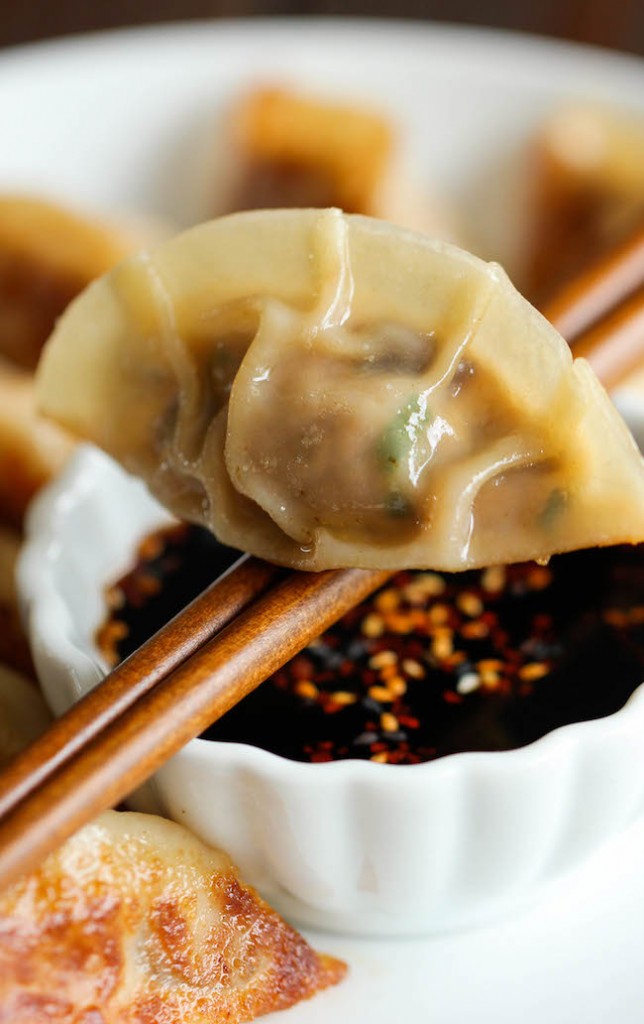
Potstickers 鍋貼

Serves: 6

Click here: http://damndelicious.net/2014/03/01/potstickers/
4. Baked Honey Garlic Chicken 甜甜鸡

Serves: 4

Click here: http://damndelicious.net/2014/03/01/potstickers/

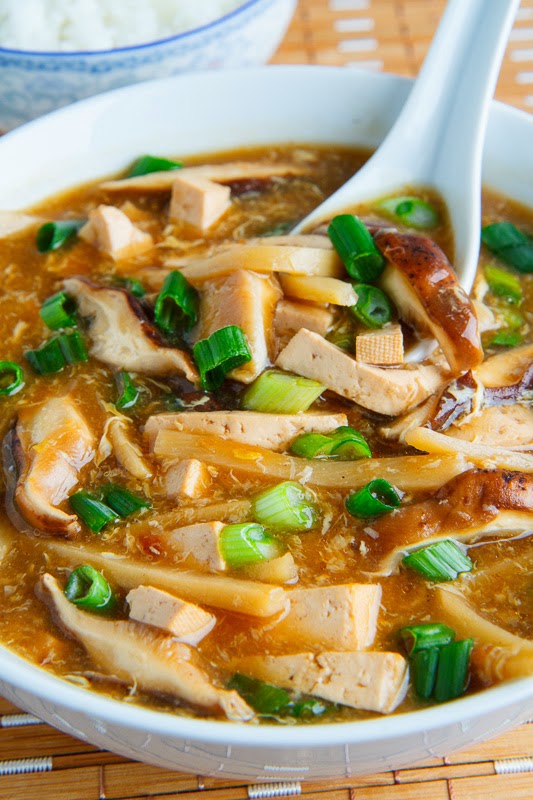
5. Hot and Sour Soup 酸辣汤

Serves: 4

Click here: http://www.closetcooking.com/2015/02/quick-and-easy-chinese-hot-and-sour-soup.html
6. Chinese Chives with Tofu 炒韭菜豆腐

Serves: 4

Click here: http://www.bubblews.com/posts/sauteed-chinese-chive-with-tofu

7. Bok Choy and Shiitake Mushroom Noodles 面条加香菇白菜

Serves: 2

Click here: http://divinehealthyfood.com/bok-choy-shiitake-mushroom-noodles/#comment-145

8. Stir-Fried Pea Shoots 炒豆苗

Serves: 4

Click here: http://www.bonappetit.com/recipes/article/how-to-cook-pea-shoots

9. Shrimp with Snow Peas 豌豆虾仁

Serves: 4

Click here: http://rasamalaysia.com/shrimp-with-snow-peas-recipe/?pid=616#image-337

10. Salt and Pepper Tofu 椒盐豆腐

Serves: 4

Click here: http://www.veggiebelly.com/2010/07/restaurant-style-chinese-salt-pepper-tofu.html

References:

Altman M, Cahill Holland J, Lundeen D, Kolko RP, Stein RI, Saelens BE, Welch
RR, Perri MG, Schechtman KB, Epstein LH, Wilfley DE. Reduction in Food Away from
Home Is Associated with Improved Child Relative Weight and Body Composition
Outcomes and This Relation Is Mediated by Changes in Diet Quality. J Acad Nutr
Diet. 2015 May 8.

Bezerra IN, Curioni C, Sichieri R. Association between eating out of home and body weight. Nutr Rev. 2012 Feb;70(2):65-79.

Djoussé L, Petrone AB, Gaziano JM. Consumption of fried foods and risk of
heart failure in the physicians’ health study. J Am Heart Assoc. 2015 Apr
23;4(4).

Guthrie JF, Lin BH, Frazao E. Role of food prepared away from home in the
American diet, 1977-78 versus 1994-96: changes and consequences. J Nutr Educ
Behav. 2002 May-Jun;34(3):140-50.

won YS, Ju SY. Trends in nutrient intakes and consumption while eating-out
among Korean adults based on Korea National Health and Nutrition Examination
Survey (1998-2012) data. Nutr Res Pract. 2014 Dec;8(6):670-8.

Yeh MC, Heo M, Suchday S, Wong A, Poon E, Liu G, Wylie-Rosett J. Translation
of the Diabetes Prevention Program for diabetes risk reduction in Chinese
immigrants in New York City. Diabet Med. 2015 Jul 14.