Posted in Caregiving, Research & Best Practice, The Built Environment

Getting the temperature just right helps people with dementia stay cool

File 20180731 102498 1bk3bqz.jpg?ixlib=rb 1.1
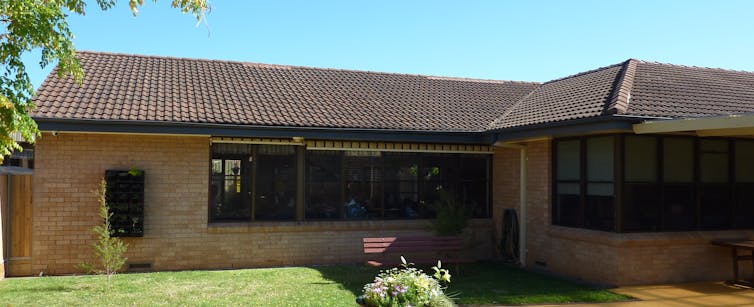
There are currently no rules to ensure that aged-care facilities provide a comfortable indoor environment.
University of Wollongong, CC BY-SA

Federico Tartarini, University of Wollongong; Paul Cooper, University of Wollongong, and Richard Fleming, University of Wollongong

Everyone knows how bad it feels when the temperature is uncomfortably hot or cold. For most of us it doesn’t last long as we can take simple steps to get comfortable, such as putting on clothes, opening a window, or switching on a heater.

But what happens when you can’t control the temperature where you live? This problem is faced by many residents of aged care facilities, and can be particularly difficult for those living with dementia. To find out how these residents cope we recently carried out a three-year research project on the effects of indoor environment in aged care facilities in south-eastern NSW. This was part of a broader program of University of Wollongong research on the impact of indoor environment on elderly people.


Read more:
Australia’s aged care residents are very sick, yet the government doesn’t prioritise medical care


Dementia and agitation

Dementia is a collection of symptoms that affect people’s behaviour, thinking, and their ability to communicate and perform everyday tasks. Sometimes people with dementia can become agitated or distressed, which can be disturbing for other people around them. This often happens for no clear reason.

This is a big issue for the aged care sector since approximately half of all residents in aged care facilities have dementia.

While current rules governing the accreditation of aged care facilities in Australia do make reference to the need to provide ‘comfortable internal temperatures and ventilation’ there is no specific reference to what temperature ranges are considered comfortable. We set out to find whether this should be remedied and whether there is a relationship between agitation among residents living with dementia and the indoor temperatures to which they are exposed.
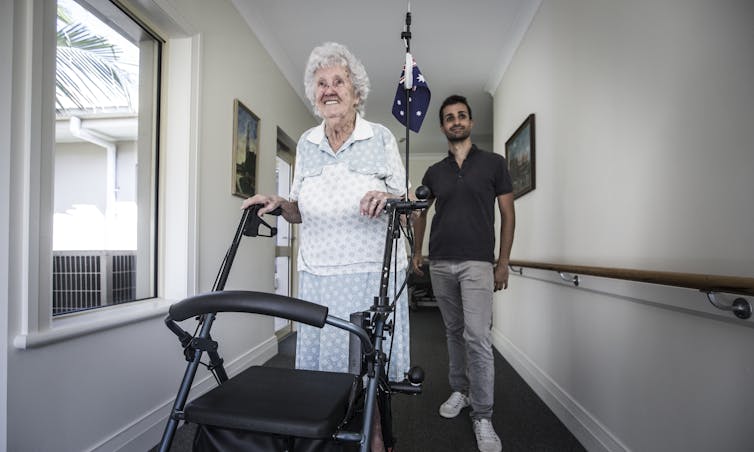
Dr Federico Tartarini (right) led the study that found that indoor temperatures in aged care centres have a dramatic impact on the wellbeing of residents, particularly those living with dementia. Photo: University of Wollongong.
Author supplied, CC BY

Tracking the temperature

Firstly we set up a network of sensors in six aged care facilities to monitor indoor environmental conditions, such as air temperature, humidity, air velocity and noise.

In collaboration with the care staff of one particular facility we then assessed the frequency and intensity of a range of agitated behaviours exhibited by residents living with dementia over the course of a year.

The most important finding of this study was that the frequency and intensity of agitated behaviours of residents with dementia significantly increased when they were exposed to uncomfortable air temperatures.

A statistically significant correlation was found between rates of agitation of residents and their cumulative exposure to temperatures outside their comfort zone of between 20°C and 26°C.

More generally, the data collected from the hundreds of temperature sensors across all our case study facilities over a one-year period showed that some facilities were often uncomfortably hot or cold (below 19°C in winter and over 30°C in summer) for significant periods.

Poorly designed buildings

This was attributable to many different factors including poor thermal design of the buildings and poor control of the heating and cooling systems. Interestingly, our analysis showed staff were significantly less tolerant of variations in indoor temperature than residents, probably because they were generally more active than the residents (i.e. moving around and working), and therefore had higher metabolic rates. They may have also had higher thermal comfort expectations than the residents.

Regulations can help

The evidence appears to suggest that maintaining a comfortable temperature
will reduce the behavioural and psychological symptoms of dementia.

There is a clear need for new regulations that ensure aged care facilities provide comfortable indoor environmental conditions, particularly for elderly residents, but also for the staff working in these facilities.

The aged care sector needs good indoor environmental rating tools, built on recent research evidence, to guide the design of their facilities and to audit their operations.

This type of approach has already been successfully applied in the commercial building sector, where mandatory disclosure of the real energy consumption of larger offices, for example, is required of owners wishing to sell or lease their property.


Read more:
Why is it so cold in here? Setting the office thermostat right – for both sexes


The ConversationPublicly available ratings of the actual indoor environment provided to aged care residents and staff would alert architects, managers and staff to the importance of thermal comfort and help elderly people, and their families, make a more informed choice as to the best facility in which to live.

Federico Tartarini, Associate research fellow, University of Wollongong; Paul Cooper, Senior Professor and Director of the Sustainable Buildings Research Centre (SBRC), University of Wollongong, and Richard Fleming, Professorial Fellow and Executive Director, Dementia Training Australia, University of Wollongong

This article was originally published on The Conversation. Read the original article.

Posted in Caregiving, International Policies, Research & Best Practice, The Built Environment

Why hospital architects need to talk to nurses

File 20180808 191031 1s4xmw3.jpg?ixlib=rb 1.1

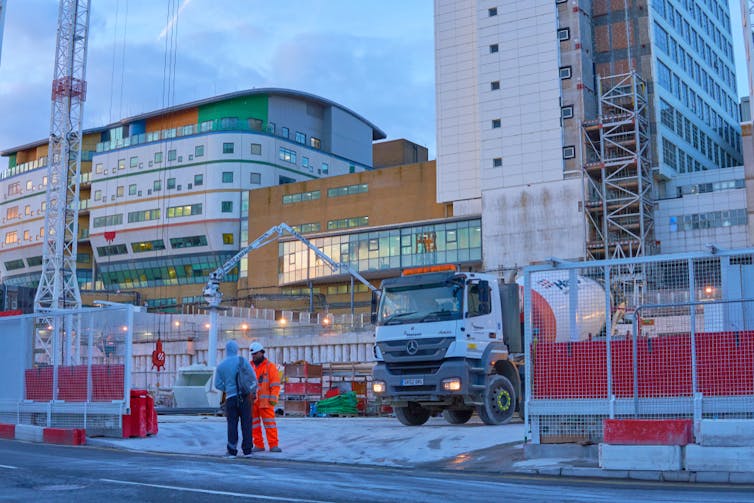
Hospital building work in East Sussex.
Shutterstock
Jens Roehrich, University of Bath

Many of us pay close attention to how our taxes are spent, and how well governments invest in infrastructure projects such as roads, schools and hospitals. Value for money is key. Yet horror stories of waste, lateness and poor quality are common.

To develop and finance public services and infrastructure, governments around the world (but especially in Europe) have become increasingly keen on private sector involvement. These cross-sector collaborations can help provide value for money for taxpayers – but they are also at risk of wasting it.

In health care, collaborations between public and private partners have a direct impact on society. This is why it is important for health care professionals like doctors and nurses to talk directly to the designers and builders of a new hospital. It ensures that these projects not only deliver economic value for the private companies building the hospital – but also social value for the doctors, nurses and patients who will use the hospital for decades to come.

For instance, in one recently built British hospital, medical staff were able to bring valuable insight to the design process. A visit by some of the hospital’s senior nurses to a children’s hospital in the US led to the replication of a lighting design on the ceiling of a children’s ward so that it mimicked a starry night sky. As one of the nurses explained to me afterwards:

It might sound like a small change, but it provides a much more homely surrounding than the normal NHS lighting. This is important for our young patients [providing a] less scary, hospital experience which positively impacts on the healing process. […] It creates a much nicer environment in which our little patients can recover.

In another hospital, input from senior nurses helped to establish a ward design that most suited their professional needs – right down to the placement of plumbing. This saved large amounts of money that might have been spent on undoing unnecessary building work had the nurses not been consulted.

As one project manager of the construction company told me: “Thanks to [the senior nurses’] input and telling us how they intend to use wards, we changed the ward layout, such as the position of sinks. This may seem to be a minor issue, but may have a huge impact when caring for a patient.”

To see how social value can be best achieved through cross-sector collaborations we looked into the key building blocks that go beyond a mere focus on contracts.

An organisations’ prior experience of cross sector collaboration and a supportive climate is vital in creating social value. It also helps to have had some exposure to previous projects (good and bad). But a major ingredient is the individual employees in both public and private sector organisations.

We need a starry sky ceiling right there.
Shutterstock

Building mutual knowledge and aligning goals between doctors, nurses and design and construction professionals is key, as public and private sector employees often have different objectives for projects (making a profit vs healing patients). A shared understanding can come through listening to and appreciating the other parties’ professional language and the expertise that language expresses.

Joint expertise

Beyond an understanding of the other parties’ expertise, practical matters of shared goals and jointly developed timelines are necessary. Coordinating efforts between the two sectors needs to take priority at the outset – rather than emphasising project speed and completion.

To encourage these positive outcomes, the key people need to meet frequently to exchange information, address problems and discuss plans. Without this kind of coordination and collaboration, it will be impossible to make the most of both sides’ specialist knowledge.

So when it comes to hospitals and clinics, the private company needs to actively seek the involvement of doctors and nurses in the design and construction phases. Similarly, doctors and nurses should not be threatened by private companies, but instead seek to become actively engaged. This will help drive creative design innovations such as the “night sky” ceiling in the children’s ward.

The ConversationIt takes time and resources, but this kind of collaboration and coordination between public and private sectors provides an opportunity to increase value – both economic and social. And that’s something that not only benefits construction companies and health care professionals – but patients and taxpayers, too.

Jens Roehrich, Professor of Supply Chain Innovation, University of Bath

This article was originally published on The Conversation. Read the original article.
Posted in Caregiving, Dementia, International Campaigns, Research & Best Practice, The Built Environment, Therapeutic Activities

What good dementia design looks like – A case study on Dementia Training Australia’s work with Scalabrini Village

DTA and Scalabrini Village case study profiled at Alzheimer’s International Conference in Chicago from Dementia Training Australia on Vimeo.


A case study on Dementia Training Australia’s work with Scalabrini Village is featured in the program Every Three Seconds, a collaboration between ADI and ITN Productions which highlights the fact that someone in the world is diagnosed with dementia every three seconds.

Source: https://www.dta.com.au/case-studies-dementia-training-australia/

Posted in The Built Environment

Japan modern-age retirement homes 

I saw this awesome article titled “Sign me up! These modern-age retirement homes in Japan resemble five-star hotels!” It’s written by  on Rocketnews24. Thought I’d share this with everyone.

One of Japan’s many senior citizens’ homes was recently featured in a TV special for having the atmosphere and amenities of a top-notch hotel. We’re talking a concierge service, on-site restaurant with an extended menu, and an exclusive beauty parlor, in addition to all of the nursing and medical services that one would expect from any reliable retirement home. Traditionally, people in Japan would rely on their children and grandchildren to care for them when they get old, but for those that have the ability to afford it, living out their last few years in luxury probably sounds like a suitable substitute.

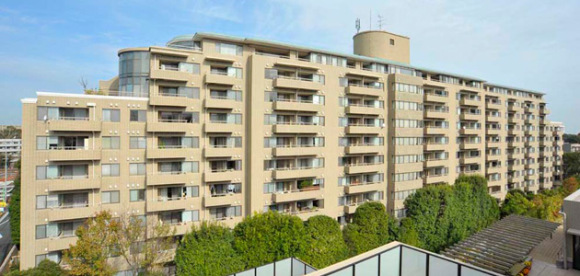
Sacravia Seijou is a beautiful senior citizens’ home in the high-class neighborhood of Seijou in Tokyo’s Chiyoda Ward. Standing tall in a gorgeous grove of ginkgo trees and cherry blossoms, you’d think it was a fancy hotel, even upon walking into the lobby. It’d take looking at a brochure to realize that you’re actually standing in a retirement home.

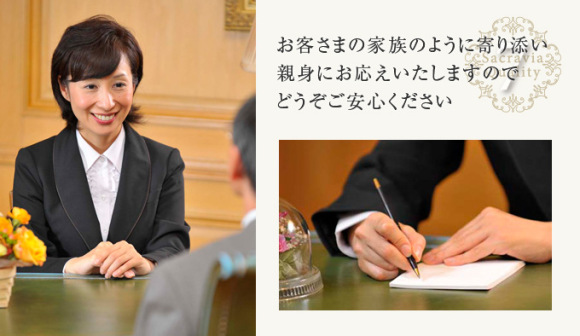
In the building’s lobby area there is a concierge desk, set up exactly the same way as a hotel reception desk. Residents can leave their room keys at the desk whenever they go outdoors or request a wake-up call in the morning. Staff there will handle any mail or package deliveries, take phone calls on behalf of the residents, inform them of when they have visitors, and assist them in setting up reservations. It’s a one-stop center for information and customer service.

Also visible from the retirement home’s lobby is a classy little restaurant. Unlike most senior citizens’ homes, which offer about as much variety in dining as a high school cafeteria, Sacravia’s restaurant has 30 different lunch items, with food options ranging from Japanese style meals to Western and Chinese. In the evening, the menu expands to 40 standard items. There is an ever-changing seasonal menu and special food items tailored to the needs of those with special dietary preferences or restrictions based on current health treatments or physical conditions. For those unwilling or unable to visit the restaurant in person, room service is also available. And, as a special treat, every Tuesday a chef from the popular sushi chain Midori comes and makes sushi for the seniors.

In regards to daily necessities, there is also a small supermarket and a beauty parlor on the premises. The store sells common, everyday goods and also offers a cleaning service, while the beauty parlor is open every weekday for those who need a nice trim.

Of course, no senior citizens’ home would be complete, or relevant for that matter, without a clinic. Doctors are stationed at Sakravia 24 hours a day every day of the week. They can handle any sort of problem from internal medicine and digestion to ophthalmology, cardiology, dermatology, psychosomatic medicine, and orthopedics.  Twice a year, the office runs comprehensive check-ups, but if a problem arises, even in the middle of the night, nurses are always on call for home visits.

So what does it cost to live in a place like this? The lowest possible price, just to move in is 128,000,000 yen (US$1,314,300) for one person or 144,000,000 yen (US$1,478,600) for married couples! On top of that are monthly fees averaging 240 to 340 thousand yen (US$2,465 to $3,490) for singles, though that includes upkeep, restaurant management, and basic rates for water, gas, etc.

That down payment alone is more money than I could make in 35 years! Obviously, these services are reserved for the elite.

▼ This is a picture of one of Sakravia’s most spacious (and expensive) rooms on the top floor of the building.

retirement homes05

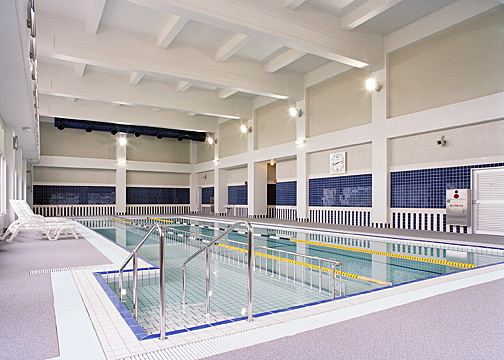
But you know, Sakravia isn’t the only high-end retirement home out there. For example, Silver Residence Kourinkaku in the mountains of Fukushima Prefecture is large and lavish enough to contain its own gym, heated pool, and hot springs.

retirement homes10

Apparently, moving around within a pool is the recommended exercise for old people, since the body’s natural buoyancy relieves pressure on their joints and doesn’t strain the knees or back.

retirement homes07

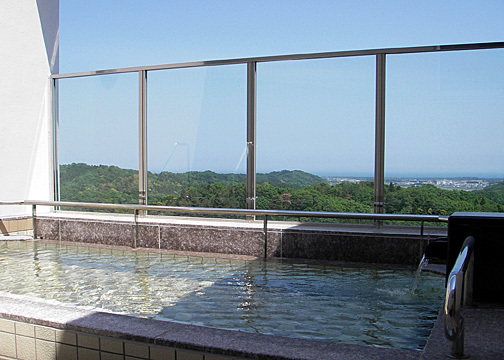
Those more interested in lounging than moving about can take advantage of the large baths on the top floor of the building, open 24 hours. Then, when it’s time to eat, residents have a choice of cooking in the kitchen located in their rooms or visiting the building’s recommended restaurant, Sankaikan, for a well-balanced meal with a perfect calorie count.

retirement homes06

The Silver Residence has both Western-style and more traditional Japanese-style rooms for prospective residents to choose from. And the ever-important price? Two people can move in for between 10,300,000 and 16,700,000 yen (US$105,760 to $171,475), plus an additional 249,200 yen a month ($2,553).

retirement homes11

Better, but still just a bit out of my price range…

Source: Sign me up! These modern-age retirement homes in Japan resemble five-star hotels! | RocketNews24

Jo does not work or receive any funding from the company or organization in this article.

Posted in Ageing & Culture, Caregiving, International Policies, The Built Environment

Experience how a person with dementia grapple with complex flooring patterns

This has been going around the web for the last couple of weeks and everyone has been all over it trying to find the panda among the snowman or the cat among the owls. It has been a fun experience for most of us and for some it may be quite frustrating. Some people who are able to find the cat or the panda have posted bragged about how quickly they may have found it on facebook.

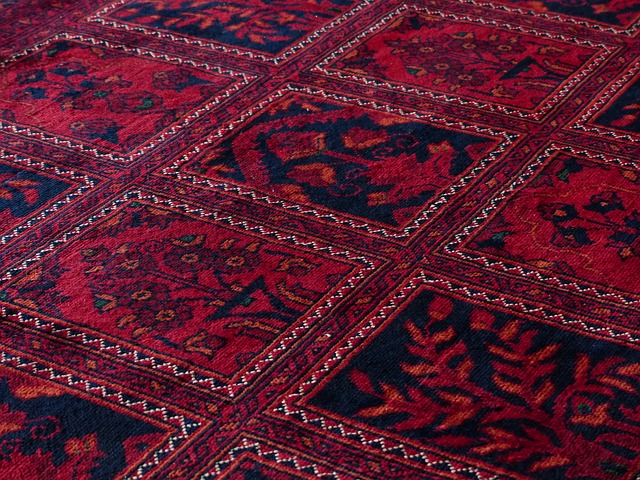
We know this happens and we talk about how confusing complex flooring patterns can be for people with dementia. They may not be able to distinguish the area and may have difficulties walking around. Imagine if you had dropped your keys on the floor or a purse on a carpet

carpet-100089_640.jpg

It would be like looking for the animals in these pictures. See if you can find the panda in the first picture and the cat in the second. .

1. Find the Panda above in the midst of the snowman.

2. Find the cat in the sea of owls.

Images created by Gergely “Dudolf” Dudás and more images can be found on Dudolph’s Facebook page.

Researchers are still trying to work out how the brain tries to categorise objects. The latest breakthrough came from Monash University where researchers are trying to utilise a new imaging technique known as the semantic wavelet-induced frequency-tagging (SWIFT) to help us find the answers (Koenig-Robert et al. 2015).

If you are caring for someone with dementia or working with people with dementia, please stop and have a think about the type of flooring and perhaps these principles from  Prof. Richard Fleming and Kirsty Bennett, University of Wollongong might come in really handy in the decision making process.

  • Reduces unhelpful stimulation
  • Optimise helpful stimulation
  • Support movement and engagement

Just trying to find the panda and the cat may be somewhat easy or really quite frustrating for some. It will take a couple of seconds at least and that is the situation that that people experiecing cognitive impairment have to grapple with when they come up against environments of complex designs. We have to take our current experience with hunting for the panda or cat and multiply that by ten or even a hundred folds. So before you choose that intricately design carpet for your flooring, please stop and think if the choice you are making is an inclusive one for people with dementia.

References:

Fleming R, Bowles J. Units for the confused and disturbed elderly: Development, Design, Programmimg and Evaluation. Australian Journal on Ageing. 1987 November;6(4):25-8.

Fleming R, Forbes I, Bennett K. Adapting the ward for people with dementia. Sydney: NSW Department of Health; 2003.

Koenig-Robert R, VanRullen R, Tsuchiya N (2015) Semantic Wavelet-Induced Frequency-Tagging (SWIFT) Periodically Activates Category Selective Areas While Steadily Activating Early Visual Areas. PLoS ONE 10(12): e0144858.


Posted in Ageing & Culture, Dementia, International Campaigns, International Policies, Research & Best Practice, The Built Environment

Living Tiny & the Psychological Issues that go with it

In Asia, it is not uncommon for us to be living in tiny living space. From Tokyo, Singapore, China and even Thailand, we’ve all heard, know or even are living in very tiny homes in a very overcrowded city. Cost of living is high, we pay a mint for our homes and we end up living in little shoeboxes in the sky. In a recent article by the Atlantic. The issues of micro apartments were discussed and the question is “how small can our living spaces get before it starts to impact on our physical and psychological health?”

The article talks about how these apartments serve their purpose for young, childless couples who had just started out in the world and wish to live close to the city or work or play. However, for people with children or living in a multigenerational family unit, how do people cope?

city-building-fire-escape-fire-ladder-medium

Looking back in Asia, for many in the sandwich generation, working long 10 to 14-hour shifts, caring for children and our parents. The home is suppose to be a safe haven, but when overcrowding occurs some people may feel a sense of dread befalling on them when it is time to go home. Trapped between the tortures of work and the stress of  claustrophobic home.

city-streets-skyline-buildings-large

The article talks about how living in small apartments can affect the concentration of children and in turn, impact on their studies. The article also talks about the lack of privacy and how it may cause children to become withdrawn. If these housing conditions can have such fundamental impacts on children the implications for older adults living in such apartments with cognitive impairment and dementia must be very challenging.

office-table-home-room-medium

However, in Japan, despite the overcrowding and challenging living conditions, strong community initiatives have risen to help support the physical and mental well-being of older adults living in these housing conditions. The Dementia Support Caravan (DSC), founded a decade ago help apartment managers to work with older tenants who may be living with dementia and require support from the community. As the number of people with dementia

The Dementia Support Caravan (DSC), founded a decade ago help apartment managers to work with older tenants who may be living with dementia and require support from the community. As the number of people with dementia continue to grow in Asia and housing conditions continue to remain unchanged; initiatives such as the DSC can help older adults with dementia age in place in their units within the community. It is in hope that more urban regions in Asia may develop similar programmes to support the people with dementia and their family living in the high-rise communities.


Source: The Health Risks of Small Apartments – The Atlantic

Source: Hand for dementia – Japan Times