
Posted in Caregiving, International Campaigns, International Policies, Research & Best Practice

How to reduce your risks of dementia

File 20190122 100279 kp4r7i.jpg?ixlib=rb 1.1

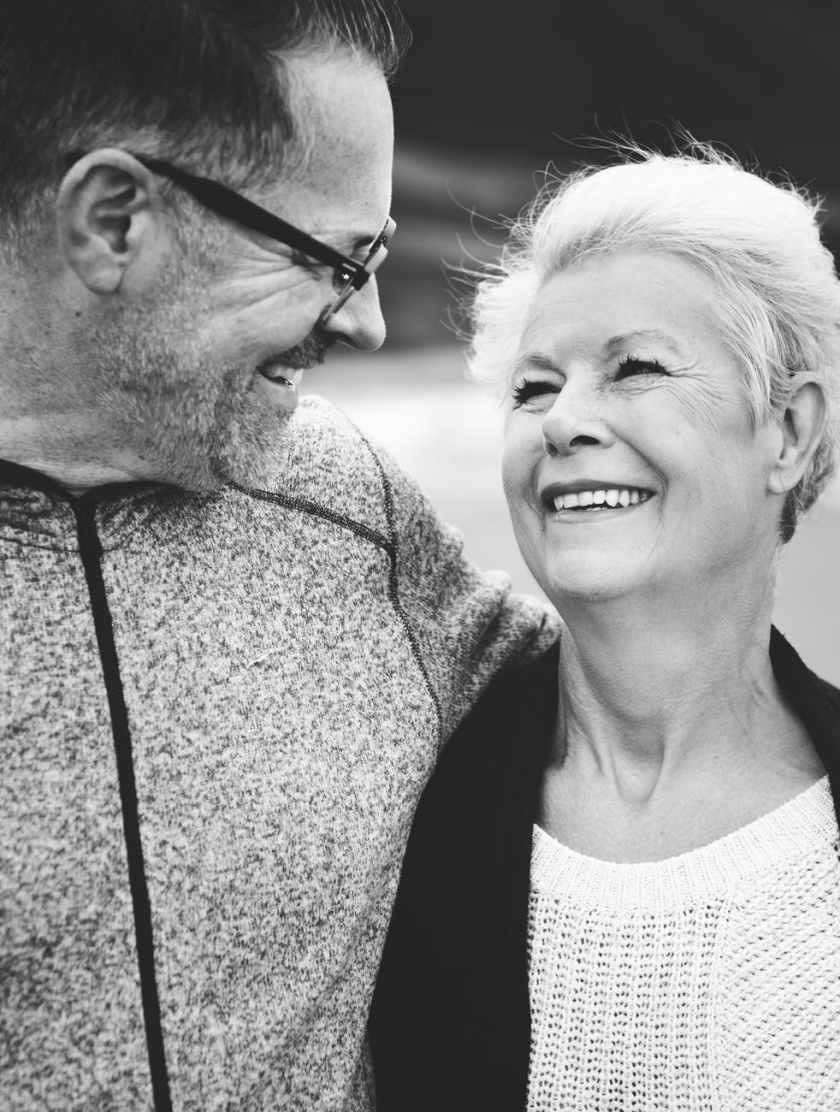
If you engage in cognitively stimulating activities in midlife, such as reading and playing games, you can reduce dementia risk by about 26 per cent, according to research.
(Unsplash/Rawpixel), CC BY-SA

Nicole Anderson, University of Toronto

Many people do not want to think about dementia, especially if their lives have not yet been touched by it. But a total of 9.9 million people worldwide are diagnosed with dementia each year. That is one person every 3.2 seconds.

This number is growing: around 50 million people live with dementia today, and this number will rise to over 130 million worldwide by 2030.

You do not have to wait until you are 65 to take action. In the absence of treatment, we must think of ways to protect our brain health earlier. This month is Alzheimer’s Awareness month — what better time to learn how to reduce your risk of dementia, whatever your age?

In my work at Baycrest’s Rotman Research Institute, I address cognitive, health and lifestyle factors in aging. I investigate how we can maintain our brain health, while reducing the risk of dementia as we age. Currently, I’m recruiting for two clinical trials that explore the benefits of different types of cognitive training and lifestyle interventions to prevent dementia.

There are three dementia risk factors that you can’t do anything about: age, sex and genetics. But a growing body of evidence is discovering early-life, mid-life and late-life contributors to dementia risk that we can do something about — either for our own or our children’s future brain health.


Read more:
Is that ‘midlife crisis’ really Alzheimer’s disease?


Before going any further, let’s clear up some common confusion between Alzheimer’s disease and dementia. Dementia is a term to describe the declines in cognitive abilities like memory, attention, language and problem-solving that are severe enough to affect a person’s everyday functioning. Dementia can be caused by a large range of diseases, but the most common is Alzheimer’s.

Risk factors in early life

Children born at a low birth weight for their gestational age are roughly twice as likely to experience cognitive dysfunction in later life.

Many studies have also identified a link between childhood socioeconomic position or educational attainment and dementia risk. For example, low socioeconomic status in early childhood is related to late life memory decline, and one meta-analysis identified a seven per cent reduction in dementia risk for every additional year of education.

A diet high in unrefined grains, fruit, vegetables, legumes, olive oil and fish has been linked to lower dementia rates.
(Unsplash/Ja ma), CC BY

Poorer nutritional opportunities that often accompany low socioeconomic position can result in cardiovascular and metabolic conditions such as hypertension, high cholesterol and diabetes that are additional risk factors for dementia.

And low education reduces the opportunities to engage in a lifetime of intellectually stimulating occupations and leisure activities throughout life that build richer, more resilient neural networks.

Work and play hard in middle age

There is substantial evidence that people who engage in paid work that is more socially or cognitively complex have better cognitive functioning in late life and lower dementia risk. Likewise, engagement in cognitively stimulating activities in midlife, such as reading and playing games, can reduce dementia risk by about 26 per cent.

We all know that exercise is good for our physical health, and engaging in moderate to vigorous physical activity in midlife can also reduce dementia risk.

Aerobic activity not only helps us to maintain a healthy weight and keep our blood pressure down, it also promotes the growth of new neurons, particularly in the hippocampus, the area of the brain most responsible for forming new memories.

(Unsplash/Bruce Mars)

Stay social and eat well in later years

While the influences of socioeconomic position and engagement in cognitive and physical activity remain important dementia risk factors in late life, loneliness and a lack of social support emerge as late life dementia risk factors.

Seniors who are at genetic risk for developing Alzheimer’s disease are less likely to experience cognitive decline if they live with others, are less lonely and feel that they have social support.


Read more:
Will you be old and ‘unbefriended?’


You have heard that you are what you eat, right? It turns out that what we eat is important as a dementia risk factor too. Eating unrefined grains, fruit, vegetables, legumes, olive oil and fish, with low meat consumption — that is, a Mediterranean-style diet — has been linked to lower dementia rates.

Along with my Baycrest colleagues, we have put together a Brain Health Food Guide based on the available evidence.

What about Ronald Reagan?

Whenever I present this type of information, someone invariably says: “But my mother did all of these things and she still got dementia” or “What about Ronald Reagan?”

Playing games is proven to slow cognitive decline.
(Unsplash/Vlad Sargu), CC BY

My father earned a bachelor’s degree, was the global creative director of a major advertising firm, had a rich social network throughout adulthood and enjoyed 60 years of marriage. He passed away with Alzheimer’s disease. My experience with my dad further motivates my research.

Leading an engaged, healthy lifestyle is thought to increase “cognitive reserve” leading to greater brain resiliency such that people can maintain cognitive functioning in later life, despite the potential accumulation of Alzheimer’s pathology.

Thus, although all of these factors may not stop Alzheimer’s disease, they can allow people to live longer in good cognitive health. In my mind, that alone is worth a resolution to lead a healthier, more engaged lifestyle.The Conversation

Nicole Anderson, Associate Professor of Geriatric Psychiatry, University of Toronto

This article is republished from The Conversation under a Creative Commons license. Read the original article.

Posted in Caregiving, Research & Best Practice

Study shows dementia care program delays nursing home admissions, cuts Medicare costs

Woman in nursing home

Sima Dimitric/Flickr


News Release
December 2018 | UCLA – Study shows dementia care program delays nursing home admissions, cuts Medicare costs


New research shows that a comprehensive, coordinated care program for people with dementia and their caregivers significantly decreased the likelihood that the individuals would enter a nursing home. The study also shows that the program saved Medicare money and was cost-neutral after accounting for program costs.

The research, conducted at the UCLA Alzheimer’s and Dementia Care Program, was designed to evaluate the costs of administering the program, as well as the health care services used by program participants, including hospitalizations, emergency room visits, hospital readmissions and long-term nursing home placement.

“The findings of this study show that a health care system-based comprehensive dementia care program can keep persons with dementia in their homes and in the community without any additional cost to Medicare,” said the study’s senior author, Dr. David Reuben, Archstone Professor of Medicine and chief of the UCLA Division of Geriatrics at the David Geffen School of Medicine at UCLA.

The study was published Dec. 21 in JAMA Internal Medicine.

The research focused on the UCLA Alzheimer’s and Dementia Care Program. In the program, people with dementia and their caregivers meet with a nurse practitioner specializing in dementia care for a 90-minute in-person assessment and then receive a personalized dementia care plan that addresses the medical, mental health and social needs of both people. The nurse practitioners work collaboratively with the patient’s primary care provider and specialist physicians to implement the care plan, including adjustments as needs change over time. A total of 1,083 Medicare beneficiaries with dementia were enrolled in the program and were followed for three years. The study compared them to a similar group of patients living in the same ZIP codes who did not participate in the program.

“The most striking finding was that patients enrolled in the program reduced their risk of entering a nursing home by about 40 percent,” said lead author Dr. Lee Jennings, assistant professor at the University of Oklahoma College of Medicine. Jennings began the project while on faculty at the Geffen School and finished it after arriving at Oklahoma.

There were no differences between the two study groups in hospitalizations, emergency room visits or hospital readmissions. However, cost was another important element of the study. Participants in the program saved Medicare $601 per patient, per quarter, for a total of $2,404 a year. However, after program costs were factored in, the program was cost-neutral and might result in savings in other settings, such as at other health care systems. That was good news to the study’s authors.

“We found the study to be very exciting,” Jennings said, “because it showed that an intensive intervention can delay nursing home entry without adding costs. The intervention isn’t going to reverse dementia, but it allows us to provide high-quality care to help patients cope with the progression of this disease and stay in their homes for longer.”

Jennings added that individuals with dementia typically have not received good-quality care. “Part of the reason,” she said, “is that the care takes a significant amount of time, which primary care physicians don’t have in abundance. In addition, pharmacologic treatments for dementia are limited, which makes community resources all the more important for both patients and caregivers. However, community programs tend to be underutilized.”

The intervention featured in the study addresses those issues directly. The assessment looks not only at what the patient and caregiver need, but also at their strengths, such as financial security, family assistance and proximity to community resources. It is designed to be interdisciplinary and to address the needs of both patients and caregivers.

“This study aligns with similar studies of collaborative care models for other chronic diseases, such as heart failure,” Jennings said. “It underscores that we need to be thinking differently about how we provide care to persons with chronic illnesses, like dementia. This study shows the benefit of a collaborative care model, where nurse practitioners and physicians work together to provide comprehensive dementia care.”

Posted in Caregiving, International Campaigns

A neuroscientist’s tips for a new year tuneup for your brain

man with fireworks
Photo by Rakicevic Nenad on Pexels.com

Pop metaphorical ‘brain bubbles’ by grounding your brain in the here and now.
Sofiaworld/Shutterstock.com

Kelly Lambert, University of Richmond

Unlike the effervescent bubbles that stream to the top of champagne flutes on New Year’s Eve, what I call brain bubbles are far from celebratory. These bubbles are metaphorical rather than physical, and they distort the stream of reality processed by our brains. Like a real estate bubble that reflects an inflated perception of home values, a brain bubble twists your perception of the world around you. And when either of these bubbles bursts, the results can be devastating.

Problems arise when distorted information results in flawed decisions that negatively affect our lives. As a neuroscientist who’s worked closely with laboratory rats for over three decades, I’ve gleaned from them a few good strategies people can use to burst brain bubbles and enhance well-being in the year ahead. Rat brains are small but have the same general areas and neurochemicals we have, so these rodents are valuable laboratory models for human behavior.

Plugging in can mean you’re untethered from reality.
Christian Fregnan/Unsplash, CC BY

Getting back down to Earth

Psychoactive drug use, aspects of privilege and poverty, psychiatric illness and, in some cases, religious and political beliefs can all create brain bubbles. Even daily excursions to the virtual world of apps, social media and cybergames sever our connections to concrete aspects of the real world and let distorting brain bubbles develop.

This is especially problematic for children’s brains that are still developing. An ongoing National Institutes of Health study suggests that two hours of screen time each day distorts language and thinking abilities in these junior digital users.

As our attention is hijacked by the closest screen while a Roomba cleans the floor and Alexa orders pizza to be delivered to the front door, what’s left for our brains to do? Sure, we likely face cognitive challenges at work each day, but human brains are built for sophisticated and complex activity – even though we’re often lulled into mindlessly scrolling through a virtual feed. In fact, a brain area often associated with reward and pleasure, the nucleus accumbens, is smaller in people who spend more time checking Facebook posts on their smartphones.

Obviously, some of these distortion-generating circumstances are out of our control. But a heightened awareness of our authentic world can move us toward a more reality-based, well-grounded brain – free of those brain bubbles.

The rats that my students and I train in our studies to physically work for coveted treats (Froot Loops cereal is a favorite) develop healthier emotional responses than the animals we call “trust-fund rats” because they’re merely given their sweet rewards. The harder-working rats have healthier stress hormone levels and engage in more sophisticated search strategies when they encounter a surprise challenge – such as when we move their expected Froot Loop rewards. They’re more persistent as they spend time trying to solve the problem, rather than quickly giving up and walking away.

So whereas one popular New Year’s resolution involves saving up to build financial capital, we can keep our brains in peak condition for the year ahead by building up experiential capital. Real-world experiences represent the best currency for our brain circuits, providing neural security for our future decisions in the coming year. Spending time engaged in hobbies such as knitting or gardening, for example, with complex movements and rich sensory experiences, provides a valuable yield for our brains.

Looking forward to it can be just as good as the experience.
Brooke Lark/Unsplash, CC BY

Savor the anticipation

When the calendar flips to a new year, it’s common to reflect on the past and look to the future. According to the neuroscience literature, this anticipation could be one of the most pleasurable – and healthy – tasks our brains engage in all year long.

Dopamine is the poster neurotransmitter for the cognitive endeavor of anticipating. Traditionally known for its role in pleasure, this neurochemical system can be hijacked by psychoactive drugs such as cocaine that serve as potent creators of reality-distorting brain bubbles.

Rodent research provides fascinating insights here, however. Researchers use sophisticated techniques to measure dopamine activity as rats press laboratory levers that reward them with drugs. Surprisingly, this neurochemical system surges when the animal merely anticipates taking the drug as it approaches the drug lever, as well as when the drug is actually infused into the brain.

Anticipating a new start and a new year may be a scaled-down version of approaching the experimental lever for a hit of cocaine – a legal and healthy dopamine dose in this case. You can try to keep this emotional high going through the year by amping up the anticipation in your daily life: Focus more on delayed than immediate gratification. Buying and planning for experiences is more satisfying than material purchases. Mapping out a menu, shopping for ingredients and cooking a meal provides more dopamine time – and brain-engaging behaviors – than nuking a frozen meal and eating it three minutes later.

Rats in the lab suggest active minds are better able to overcome stress and surprise adversity.
Kelly Lambert, CC BY-ND

Seize the reins of your stress

Another way to enhance our well-being through the year is to gain some sense of control over the stress in our lives. Real-time and authentic interactions with the environment can help us gain a sense of control over the inevitable uncertainty and unpredictability we face each day.

I see evidence of this in the lab. When I furnish my rats’ housing with natural elements such as dirt, hollowed-out logs and rocks, they’re busier and less likely to sit around the edge of the cage than animals in boring empty cages. After building their experiential capital, these enriched rats have healthier stress and resilience hormone profiles and engage in bolder behaviors, such as diving to the bottom of swim tanks instead of staying on the top doing their best impression of a dog paddle. As I watch these animals in various tasks, they appear to be gaining control over the challenges they encounter.

Perhaps this is why retired U.S. four-star admiral William McRaven emphasized simple life strategies in his 2014 University of Texas commencement speech, declaring that “if you want to change your life and maybe the world, start off by making your bed.” Then, even if you have a terrible day, you will come home to a made bed, evidence that you had a positive impact in at least one area of your life that day.

And, considering that over 70 percent of the brain’s nerve cells are in the cerebellum, which is involved in movement coordination, any activity that gets us up and moving – whether household chores or hitting the gym – engages the brain in healthy ways.

Taking time to connect in the kitchen is one good way to ground your brain.
Amber Maxwell Boydell/Unsplash, CC BY

Starting your brain’s year off right

Lessons from the laboratory rats also provide potential explanations for some of my own personal favorite New Year’s Day traditions – including the mundane tasks of cooking a familiar southern meal, cleaning my closet and watching HGTV’s Dream House giveaway with my family while we all declare what we would do if we won the beautiful house. Move in? Sell it? Make it an Airbnb rental?

Thinking like a neuroscientist, I know that cooking and cleaning are active endeavors with clear outcomes that allow me to gain a small sense of control, decreasing stress hormones. Playfully anticipating winning a new home taps into that feel-good dopamine system as we contemplate more serious options for the new year. And, perhaps the best neurochemical hit of all is the spike in oxytocin, the neurochemical involved in positive social connections, as I spend time with loved ones.

Although it’s common to turn to pharmaceuticals to lift our emotions and improve our mental health, the emotional benefits of many New Year’s traditions remind me that basic responses can serve as what I call “behaviorceuticals” that enhance well-being. New Year’s resolutions may take the form of New Year’s Rx’s as we consider healthy lifestyle choices for the coming year: Shrink those distorting brain bubbles and build realistic connections to enrich life’s simple pleasures.The Conversation

Kelly Lambert, Professor of Behavioral Neuroscience, University of Richmond

This article is republished from The Conversation under a Creative Commons license. Read the original article.

Posted in Caregiving

Doubting a diagnosis of dementia

A brilliant article by Kate Swaffer and a must read. I have been saying this over and over again, having worked in imaging for a short while. MRI and procedures for scans are stressful and distressing. And the whole process of diagnosis is just a mind field for everyone.

Kate Swaffer (she/her) Kaurna Country's avatar

In the last few weeks, there have been a few articles, blogs or tweets on the impact of others publicly doubting a persons diagnosis of dementia, which I am highlighting here for your weekend reading! One tweet by a professional last week claimed with certainty some people don’t have dementia. Whilst it didn’t name anyone, it was disturbing. I’m reasonably certain, in the same way people rally around someone diagnosed with cancer, they also never doubt the diagnosis, including when the person ‘does better than expected‘.

People with cancer (or any other ‘mostly invisible’ diseases) are never diagnosed or doubted publicly, including by others after a conversation, presentation or after reading a book or blog. I can never tell who in a room has heart disease, diabetes, and in the early stages of conditions such as multiple sclerosis, and even Parkinson’s. It is the same for people with dementia as…

View original post 720 more words