Posted in Caregiving

The Science of Recovering From an All-Nighter

A brilliant video on recovering from an all-nighter. For those who ended up staying up all night caring for a loved one, doing the dreaded one off night shifts or just stayed up to complete an assignment. The next couple of days just feel like walking in a dream or a really tiring nightmare. I usually find it hard to focus and my body feels like it’s totally out of wack. You know what I’m talking about. Anyway here is a video with some scientific tips on how to recover from an all-nighter that I have found to be super helpful!


Here are some of the helpful tips that have helped me in the video.

  • Don’t hit the snooze button!
  • Eat Breakfast!
  • No Sugar!
  • Only one cup of coffee
  • Get out in the Sun
  • Do the hardest task first then grab a 2nd cup of coffee
  • Light Lunch
  • 1 Coffee in the early afternoon but not after 3pm
  • Do simple tasks

So ya, I’ve been doing it all wrong literally and hitting the snooze button like 3 to 4 times in the morning, not eating breakfast, I think the only thing I did right was grabbing a single cup of coffee.

Here’s the link for the video from NYmag “The science of Us” for anyone who would like to check out their videos https://www.youtube.com/watch?v=piUgbJqgtIw


Posted in The Built Environment

Japan modern-age retirement homes 

I saw this awesome article titled “Sign me up! These modern-age retirement homes in Japan resemble five-star hotels!” It’s written by  on Rocketnews24. Thought I’d share this with everyone.
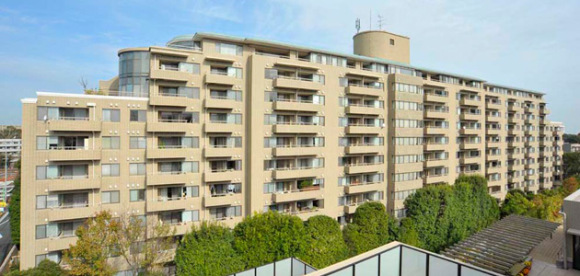
One of Japan’s many senior citizens’ homes was recently featured in a TV special for having the atmosphere and amenities of a top-notch hotel. We’re talking a concierge service, on-site restaurant with an extended menu, and an exclusive beauty parlor, in addition to all of the nursing and medical services that one would expect from any reliable retirement home. Traditionally, people in Japan would rely on their children and grandchildren to care for them when they get old, but for those that have the ability to afford it, living out their last few years in luxury probably sounds like a suitable substitute.

Sacravia Seijou is a beautiful senior citizens’ home in the high-class neighborhood of Seijou in Tokyo’s Chiyoda Ward. Standing tall in a gorgeous grove of ginkgo trees and cherry blossoms, you’d think it was a fancy hotel, even upon walking into the lobby. It’d take looking at a brochure to realize that you’re actually standing in a retirement home.

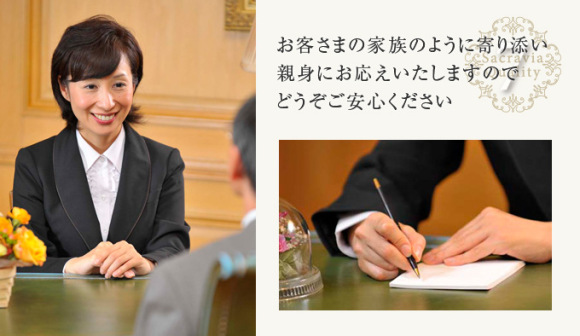
In the building’s lobby area there is a concierge desk, set up exactly the same way as a hotel reception desk. Residents can leave their room keys at the desk whenever they go outdoors or request a wake-up call in the morning. Staff there will handle any mail or package deliveries, take phone calls on behalf of the residents, inform them of when they have visitors, and assist them in setting up reservations. It’s a one-stop center for information and customer service.
Also visible from the retirement home’s lobby is a classy little restaurant. Unlike most senior citizens’ homes, which offer about as much variety in dining as a high school cafeteria, Sacravia’s restaurant has 30 different lunch items, with food options ranging from Japanese style meals to Western and Chinese. In the evening, the menu expands to 40 standard items. There is an ever-changing seasonal menu and special food items tailored to the needs of those with special dietary preferences or restrictions based on current health treatments or physical conditions. For those unwilling or unable to visit the restaurant in person, room service is also available. And, as a special treat, every Tuesday a chef from the popular sushi chain Midori comes and makes sushi for the seniors.

In regards to daily necessities, there is also a small supermarket and a beauty parlor on the premises. The store sells common, everyday goods and also offers a cleaning service, while the beauty parlor is open every weekday for those who need a nice trim.

Of course, no senior citizens’ home would be complete, or relevant for that matter, without a clinic. Doctors are stationed at Sakravia 24 hours a day every day of the week. They can handle any sort of problem from internal medicine and digestion to ophthalmology, cardiology, dermatology, psychosomatic medicine, and orthopedics.  Twice a year, the office runs comprehensive check-ups, but if a problem arises, even in the middle of the night, nurses are always on call for home visits.

So what does it cost to live in a place like this? The lowest possible price, just to move in is 128,000,000 yen (US$1,314,300) for one person or 144,000,000 yen (US$1,478,600) for married couples! On top of that are monthly fees averaging 240 to 340 thousand yen (US$2,465 to $3,490) for singles, though that includes upkeep, restaurant management, and basic rates for water, gas, etc.

That down payment alone is more money than I could make in 35 years! Obviously, these services are reserved for the elite.

▼ This is a picture of one of Sakravia’s most spacious (and expensive) rooms on the top floor of the building.

retirement homes05

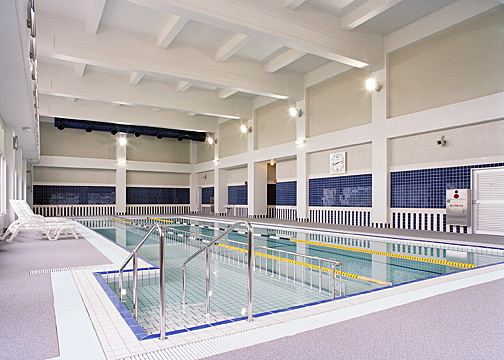
But you know, Sakravia isn’t the only high-end retirement home out there. For example, Silver Residence Kourinkaku in the mountains of Fukushima Prefecture is large and lavish enough to contain its own gym, heated pool, and hot springs.

retirement homes10

Apparently, moving around within a pool is the recommended exercise for old people, since the body’s natural buoyancy relieves pressure on their joints and doesn’t strain the knees or back.
retirement homes07

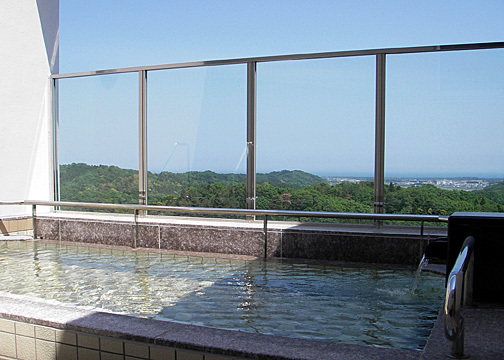
Those more interested in lounging than moving about can take advantage of the large baths on the top floor of the building, open 24 hours. Then, when it’s time to eat, residents have a choice of cooking in the kitchen located in their rooms or visiting the building’s recommended restaurant, Sankaikan, for a well-balanced meal with a perfect calorie count.
retirement homes06

The Silver Residence has both Western-style and more traditional Japanese-style rooms for prospective residents to choose from. And the ever-important price? Two people can move in for between 10,300,000 and 16,700,000 yen (US$105,760 to $171,475), plus an additional 249,200 yen a month ($2,553).

retirement homes11

Better, but still just a bit out of my price range…

Source: Sign me up! These modern-age retirement homes in Japan resemble five-star hotels! | RocketNews24

Jo does not work or receive any funding from the company or organization in this article.

Posted in The Built Environment

Finally! A decent looking watch that has a GPS tracker, fall detection and medical alert

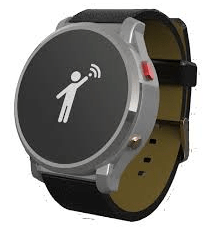
Finally, a decent looking watch that has a GPS, fall detection and a medical alert or duress alarm. I stumbled on this website surfing for wearable devices. The Find-Me Tunstall Watch actually combines a “mobile phone, panic alert, fall detector and GPS tracker” all into one wearable decent looking device. This is according to their website. It looks really new at the moment and they don’t seem to have a web store or anything for it. I just hope that it will be publicly available soon and for an international market.

watch.png


Source: Find-Me Tunstall Watch

Posted in Ageing & Culture, Caregiving, Research & Best Practice, The Built Environment

Singapore nursing homes, our story of the wooden bowl?

“It was once said that the moral test of government is how that government treats those who are in the dawn of life, the children; those who are in the twilight of life, the elderly; and those who are in the shadows of life, the sick, the needy and the handicapped.”
– Hubert H. Humphrey

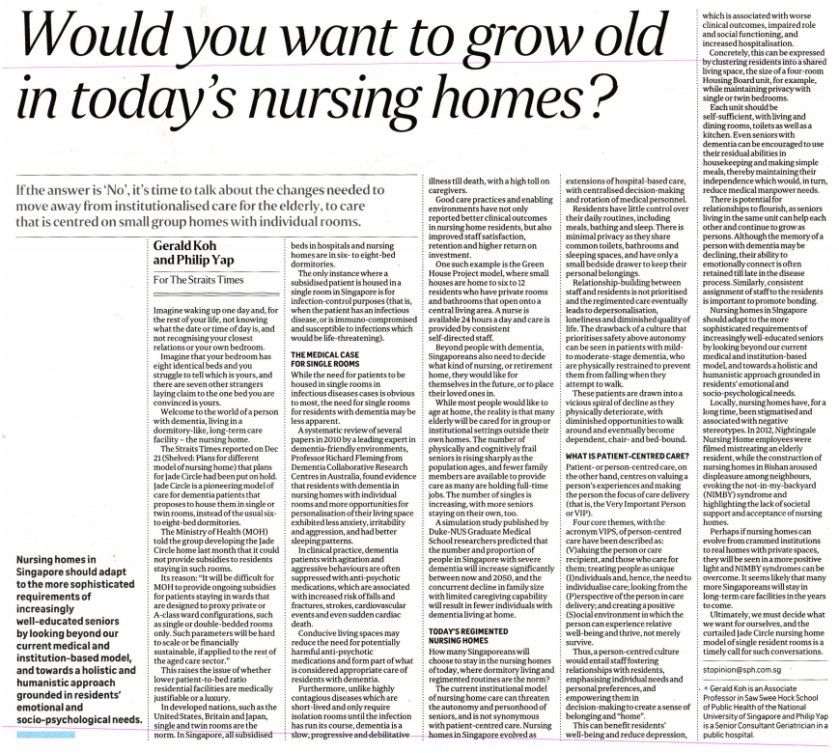
Appears that single bedrooms for people with dementia in nursing homes are considered a luxury in Singapore.

Untitled


This is a brilliant article by Dr Philip Yap and Dr Gerald Koh, and Singapore needs a serious conversation about how we can respectfully treat our elders with dignity.

Srtaitstimes

How do want to care for our loved ones when they grow older? Singaporeans echo the fact that nursing homes are restrictive, institutionalised and lack personal care (Wee et al. 2015). Do we really want anyone we love to live the last years of their life an acute like facility, watching their neighbours beside them cognitively regress as a result of the tension and depression of the unfamiliar, undignified, and restrictive environment? What sort of morals and values will our children inherit when they are exposed to ideas that privacy, dignity, independence and quality of life is deemed a luxury for our elders living with a terminal condition? Are nursing homes, Singapore’s very own wooden bowl?

We need to do more to become a more inclusive Singapore.


Here’s some additional information about dementia.

Did you know?

Dementia is a terminal condition with no cure (World Health Organisation 2015).

“People with dementia are frequently denied the basic rights and freedoms available to others. In many countries, physical and chemical restraints are used extensively in care facilities for elderly people and in acute-care settings, even when regulations are in place to uphold the rights of people to freedom and choice.

An appropriate and supportive legislative environment based on internationally accepted human rights standards is required to ensure the highest quality of service provision to people with dementia and their caregivers.” (Source: WHO 2015)

Reference:

Wee, S.-L. et al., 2015. Singaporeans’ perceptions of and attitudes toward long-term care services. Qualitative health research, 25(2), pp.218–27.

Posted in Ageing & Culture, Caregiving, International Policies, The Built Environment

10 Tips for Communicating with a Person with Dementia 

A really practical and simple article with tips from the Family Caregiver Alliance for staff and caregivers working with people with dementia. The article provides advice on communication and understanding changes in behaviours. With additional information on supporting a person with dementia to manage nutrition, hygiene, and incontinence.

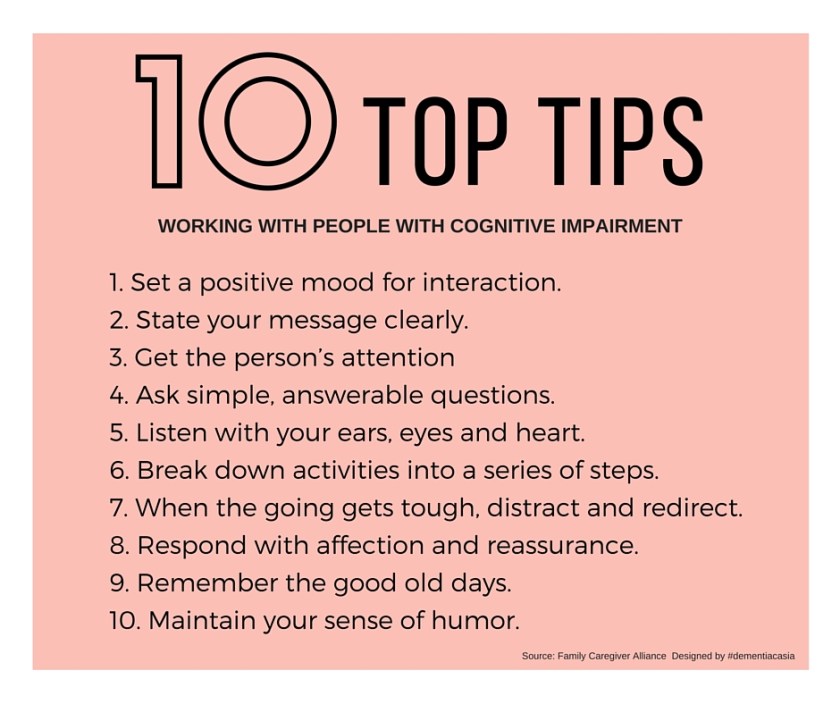
I found the top 10 tips for communication very helpful and made a little facebook post sized image to help share these very practical caregiver tips with friends and colleagues. You can also print it out and pin it on the pinboards at the nurses station.

20

These tips are just straightforward and realistic, and transcend the boundaries of culture and language.  I made some changes and replaced the word dementia with cognitive impairment because I thought the nurses on the neuro wards, or even care managers working with people with traumatic brain injuries may also find these tips very handy.

Source: Caregiver’s Guide to Understanding Dementia Behaviors | Family Caregiver Alliance