Posted in Caregiving, Research & Best Practice

Study shows dementia care program delays nursing home admissions, cuts Medicare costs

Woman in nursing home

Sima Dimitric/Flickr


News Release
December 2018 | UCLA – Study shows dementia care program delays nursing home admissions, cuts Medicare costs


New research shows that a comprehensive, coordinated care program for people with dementia and their caregivers significantly decreased the likelihood that the individuals would enter a nursing home. The study also shows that the program saved Medicare money and was cost-neutral after accounting for program costs.

The research, conducted at the UCLA Alzheimer’s and Dementia Care Program, was designed to evaluate the costs of administering the program, as well as the health care services used by program participants, including hospitalizations, emergency room visits, hospital readmissions and long-term nursing home placement.

“The findings of this study show that a health care system-based comprehensive dementia care program can keep persons with dementia in their homes and in the community without any additional cost to Medicare,” said the study’s senior author, Dr. David Reuben, Archstone Professor of Medicine and chief of the UCLA Division of Geriatrics at the David Geffen School of Medicine at UCLA.

The study was published Dec. 21 in JAMA Internal Medicine.

The research focused on the UCLA Alzheimer’s and Dementia Care Program. In the program, people with dementia and their caregivers meet with a nurse practitioner specializing in dementia care for a 90-minute in-person assessment and then receive a personalized dementia care plan that addresses the medical, mental health and social needs of both people. The nurse practitioners work collaboratively with the patient’s primary care provider and specialist physicians to implement the care plan, including adjustments as needs change over time. A total of 1,083 Medicare beneficiaries with dementia were enrolled in the program and were followed for three years. The study compared them to a similar group of patients living in the same ZIP codes who did not participate in the program.

“The most striking finding was that patients enrolled in the program reduced their risk of entering a nursing home by about 40 percent,” said lead author Dr. Lee Jennings, assistant professor at the University of Oklahoma College of Medicine. Jennings began the project while on faculty at the Geffen School and finished it after arriving at Oklahoma.

There were no differences between the two study groups in hospitalizations, emergency room visits or hospital readmissions. However, cost was another important element of the study. Participants in the program saved Medicare $601 per patient, per quarter, for a total of $2,404 a year. However, after program costs were factored in, the program was cost-neutral and might result in savings in other settings, such as at other health care systems. That was good news to the study’s authors.

“We found the study to be very exciting,” Jennings said, “because it showed that an intensive intervention can delay nursing home entry without adding costs. The intervention isn’t going to reverse dementia, but it allows us to provide high-quality care to help patients cope with the progression of this disease and stay in their homes for longer.”

Jennings added that individuals with dementia typically have not received good-quality care. “Part of the reason,” she said, “is that the care takes a significant amount of time, which primary care physicians don’t have in abundance. In addition, pharmacologic treatments for dementia are limited, which makes community resources all the more important for both patients and caregivers. However, community programs tend to be underutilized.”

The intervention featured in the study addresses those issues directly. The assessment looks not only at what the patient and caregiver need, but also at their strengths, such as financial security, family assistance and proximity to community resources. It is designed to be interdisciplinary and to address the needs of both patients and caregivers.

“This study aligns with similar studies of collaborative care models for other chronic diseases, such as heart failure,” Jennings said. “It underscores that we need to be thinking differently about how we provide care to persons with chronic illnesses, like dementia. This study shows the benefit of a collaborative care model, where nurse practitioners and physicians work together to provide comprehensive dementia care.”

Posted in Caregiving, International Campaigns, Research & Best Practice

My Brain Robbie campaign aims to help your kids keep their brains healthy

News Release
January 2019 | Global Brain Health Institute – My Brain Robbie animation campaign aims to help keep little brains healthy

My Brain Robbie animation campaign aims to help keep little brains healthy

My Brain Robbie, a fantastic new initiative to promote brain health among school going children, has been launched through the Pilot Awards for Global Brain Health Leaders, an initiative of the Global Brain Health Institute (GBHI), Alzheimer’s Association and Alzheimer’s Society UK. The project includes an animated video of a little brain which helps children learn about the eight steps to keeping our brains healthy, along with free educational resources for parents and teachers.

The My Brain Robbie campaign aims to fill an educational gap in the field of dementia prevention by generating a public health educational initiative for children aged 6 to 12 years. It also aims to increase global public awareness of the importance of brain health across the lifespan, rather than it being considered that brain protection strategies are an issue only for the elderly.

The video and materials bring together the latest scientific research in neurology and epidemiology which encourage early prevention and lifelong healthy lifestyles to mitigate the risk of developing chronic brain diseases including Alzheimer’s disease. Recent studies project that up to 30% of dementia may be preventable by targeting modifiable risk factors. The initiative was developed by researcher, doctor/physician and Atlantic Fellow for Equity in Brain Health at GBHI, Dr. Eleonore Bayen.

My Brain Robbie explains in child friendly language, the simple ways to keep our brain healthy using eight neuroprotective habits which connect with known modifiable risk factors for cognitive decline:

  1. ‘Learn’ touches on the role of education, cognitive stimulation and learning new things, in building cognitive reserve.
  2. ‘Be active’ describes the importance of physical activity and preventing sedentary lifestyles. Bad habits can develop as a result of spending too much time in front of electronic screens, a key issue for children, not to mention adults too!
  3. ‘Avoid head injuries’ looks at the prevention of traumatic brain injury.
  4. ‘Have a healthy diet’ refers to the “Mediterranean diet”. Another Atlantic Fellow, Claire McEvoy, among others has demonstrated the benefits of the ‘Mediterranean diet’ for brain health.
  5. ‘Avoid dangerous substances’ educates children in age-appropriate language about the dangers of tobacco and drug intake as well as excessive alcohol use.
  6. ‘Sleep well’ explains the importance of healthy sleep.
  7. ‘Take good care of your health’ looks at the importance of following medical care instructions for chronic diseases that can impact brain health, for example, hypertension.
  8. ‘Spend time with family and friends’ highlights the importance of social interaction for keeping our brains healthy.
robbie and suitcase 2.png

My Brain Robbie, which was funded by GBHI and the Alzheimer’s Association, empowers children to maintain a healthy brain throughout their lives by providing them with simple public health messages. Dr Bayen hopes that, by providing information about brain health as part of early life education, this will create a shift in perceptions, beliefs, attitudes and stigma towards diseases of the brain, particularly dementia, in this generation and beyond.

Dr Bayen said: “This pilot arrives at a perfect time in history when the fight against dementia in high, low and middle income countries has become a top priority with an urgent need for innovative actions and “out of the box” thinking in prevention and care. While education at school offers us an amazing opportunity to fight stigma as well as social and health inequities, it appears that ‘dementia prevention and brain health at school’ is currently not being addressed and this would surely improve public awareness worldwide.”

She continued: “We hope that by teaching these important healthy brain habits to a younger generation that this may, in turn, educate upwards through the generations by motivating their parents and grandparents to learn more about the subject of brain health and dementia prevention. It may also, in turn, help to create a more supportive and inclusive living environment for people with neurocognitive disability and to create a feeling of optimism in a field of neurology where there have been limited therapeutic successes. Children are often wonderful teachers for their peers, parents, grandparents, and society at large.”

Dr Bayen worked in collaboration with a wide variety of experts such as neuroscientists, medical and health professionals, education specialists, teachers, parents, communication and design experts, as well as other Atlantic Fellows and faculty from GBHI.

The videos are currently available in English and French with plans to translate these into many more languages. My Brain Robbie welcomes interest from educators, health groups, parenting communities and others in sharing this initiative with as many children as possible.

She was inspired to develop the initiative during her Atlantic Fellowship with GBHI based at the University of California, San Francisco and Trinity College Dublin. GBHI focuses on protecting the world’s aging populations from threats to brain health. Collectively with partners, GBHI aims to reduce the scale and impact of dementia. The Pilot Awards for Global Brain Health Leaders is an initiative launched by GBHI and partners, the Alzheimer’s Association and the Alzheimer’s Society UK. The awards aim to support emerging leaders in brain health protection by funding small-scale innovative activities to delay, prevent, or mitigate the impact of dementia.

“Dr Bayen’s work is a wonderful example of GBHI’s approach to attaining a global impact on dementia prevention. It engages inter-professional contributions to development on a global scale. It also recognizes that brain protection is a life-long dialogue. Her innovative strategy of teaching children who will then engage in dialogue within households to ‘educate-up’ to parents and grandparents while reducing the stigma of dementia is timely.” said Victor Valcour, Executive Director of GBHI and the Atlantic Fellows for Equity in Brain Health program.

Dr Bayen said: “As a researcher and also a physician, I feel that my duty is not only to advance pure science but also to communicate it with others in creative ways. I hope that the My Brain Robbie campaign inspires children to feel responsible for their own brain health and to become aware of others’ brain health too.”

To watch and download the videos and materials please visit www.mybrainrobbie.org


Further Information

Eleonore and Robbie 1.png

Dr Eleonore Bayen holds a Medical Degree with specialty training in Neurology and a PhD in Health Economics. She specializes in traumatic brain injury (TBI). She has advanced experience in architecting educational intervention programs about brain and disability for patients, family caregivers, and non-medical populations. Dr. Bayen was supported in her Atlantic Fellowship as a Fulbright grantee to the United States and was trained at the University of California, San Francisco site of GBHI in 2016. In this capacity, she was selected to be part of the first international class of the Atlantic Fellows who graduated from the Global Brain Health Institute in 2017. Bayen is currently an assistant professor in neuro-rehabilitation in Paris at Sorbonne University – La Pitié-Salpêtrière hospital.

Posted in Caregiving, International Campaigns

A neuroscientist’s tips for a new year tuneup for your brain

man with fireworks
Photo by Rakicevic Nenad on Pexels.com

Pop metaphorical ‘brain bubbles’ by grounding your brain in the here and now.
Sofiaworld/Shutterstock.com

Kelly Lambert, University of Richmond

Unlike the effervescent bubbles that stream to the top of champagne flutes on New Year’s Eve, what I call brain bubbles are far from celebratory. These bubbles are metaphorical rather than physical, and they distort the stream of reality processed by our brains. Like a real estate bubble that reflects an inflated perception of home values, a brain bubble twists your perception of the world around you. And when either of these bubbles bursts, the results can be devastating.

Problems arise when distorted information results in flawed decisions that negatively affect our lives. As a neuroscientist who’s worked closely with laboratory rats for over three decades, I’ve gleaned from them a few good strategies people can use to burst brain bubbles and enhance well-being in the year ahead. Rat brains are small but have the same general areas and neurochemicals we have, so these rodents are valuable laboratory models for human behavior.

Plugging in can mean you’re untethered from reality.
Christian Fregnan/Unsplash, CC BY

Getting back down to Earth

Psychoactive drug use, aspects of privilege and poverty, psychiatric illness and, in some cases, religious and political beliefs can all create brain bubbles. Even daily excursions to the virtual world of apps, social media and cybergames sever our connections to concrete aspects of the real world and let distorting brain bubbles develop.

This is especially problematic for children’s brains that are still developing. An ongoing National Institutes of Health study suggests that two hours of screen time each day distorts language and thinking abilities in these junior digital users.

As our attention is hijacked by the closest screen while a Roomba cleans the floor and Alexa orders pizza to be delivered to the front door, what’s left for our brains to do? Sure, we likely face cognitive challenges at work each day, but human brains are built for sophisticated and complex activity – even though we’re often lulled into mindlessly scrolling through a virtual feed. In fact, a brain area often associated with reward and pleasure, the nucleus accumbens, is smaller in people who spend more time checking Facebook posts on their smartphones.

Obviously, some of these distortion-generating circumstances are out of our control. But a heightened awareness of our authentic world can move us toward a more reality-based, well-grounded brain – free of those brain bubbles.

The rats that my students and I train in our studies to physically work for coveted treats (Froot Loops cereal is a favorite) develop healthier emotional responses than the animals we call “trust-fund rats” because they’re merely given their sweet rewards. The harder-working rats have healthier stress hormone levels and engage in more sophisticated search strategies when they encounter a surprise challenge – such as when we move their expected Froot Loop rewards. They’re more persistent as they spend time trying to solve the problem, rather than quickly giving up and walking away.

So whereas one popular New Year’s resolution involves saving up to build financial capital, we can keep our brains in peak condition for the year ahead by building up experiential capital. Real-world experiences represent the best currency for our brain circuits, providing neural security for our future decisions in the coming year. Spending time engaged in hobbies such as knitting or gardening, for example, with complex movements and rich sensory experiences, provides a valuable yield for our brains.

Looking forward to it can be just as good as the experience.
Brooke Lark/Unsplash, CC BY

Savor the anticipation

When the calendar flips to a new year, it’s common to reflect on the past and look to the future. According to the neuroscience literature, this anticipation could be one of the most pleasurable – and healthy – tasks our brains engage in all year long.

Dopamine is the poster neurotransmitter for the cognitive endeavor of anticipating. Traditionally known for its role in pleasure, this neurochemical system can be hijacked by psychoactive drugs such as cocaine that serve as potent creators of reality-distorting brain bubbles.

Rodent research provides fascinating insights here, however. Researchers use sophisticated techniques to measure dopamine activity as rats press laboratory levers that reward them with drugs. Surprisingly, this neurochemical system surges when the animal merely anticipates taking the drug as it approaches the drug lever, as well as when the drug is actually infused into the brain.

Anticipating a new start and a new year may be a scaled-down version of approaching the experimental lever for a hit of cocaine – a legal and healthy dopamine dose in this case. You can try to keep this emotional high going through the year by amping up the anticipation in your daily life: Focus more on delayed than immediate gratification. Buying and planning for experiences is more satisfying than material purchases. Mapping out a menu, shopping for ingredients and cooking a meal provides more dopamine time – and brain-engaging behaviors – than nuking a frozen meal and eating it three minutes later.

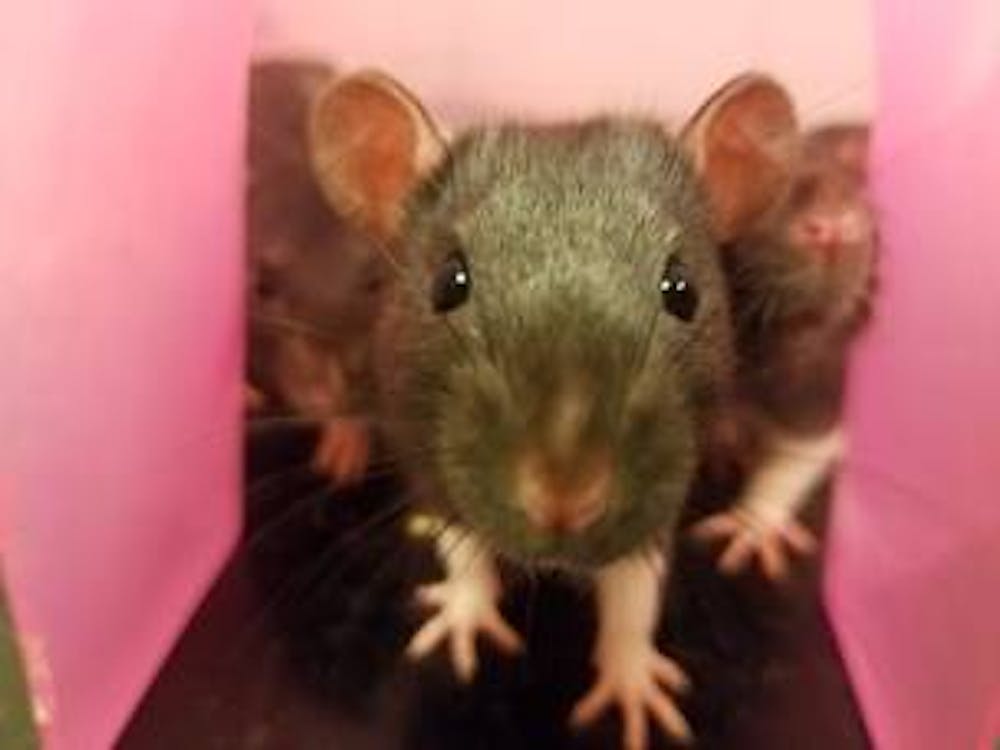
Rats in the lab suggest active minds are better able to overcome stress and surprise adversity.
Kelly Lambert, CC BY-ND

Seize the reins of your stress

Another way to enhance our well-being through the year is to gain some sense of control over the stress in our lives. Real-time and authentic interactions with the environment can help us gain a sense of control over the inevitable uncertainty and unpredictability we face each day.

I see evidence of this in the lab. When I furnish my rats’ housing with natural elements such as dirt, hollowed-out logs and rocks, they’re busier and less likely to sit around the edge of the cage than animals in boring empty cages. After building their experiential capital, these enriched rats have healthier stress and resilience hormone profiles and engage in bolder behaviors, such as diving to the bottom of swim tanks instead of staying on the top doing their best impression of a dog paddle. As I watch these animals in various tasks, they appear to be gaining control over the challenges they encounter.

Perhaps this is why retired U.S. four-star admiral William McRaven emphasized simple life strategies in his 2014 University of Texas commencement speech, declaring that “if you want to change your life and maybe the world, start off by making your bed.” Then, even if you have a terrible day, you will come home to a made bed, evidence that you had a positive impact in at least one area of your life that day.

And, considering that over 70 percent of the brain’s nerve cells are in the cerebellum, which is involved in movement coordination, any activity that gets us up and moving – whether household chores or hitting the gym – engages the brain in healthy ways.

Taking time to connect in the kitchen is one good way to ground your brain.
Amber Maxwell Boydell/Unsplash, CC BY

Starting your brain’s year off right

Lessons from the laboratory rats also provide potential explanations for some of my own personal favorite New Year’s Day traditions – including the mundane tasks of cooking a familiar southern meal, cleaning my closet and watching HGTV’s Dream House giveaway with my family while we all declare what we would do if we won the beautiful house. Move in? Sell it? Make it an Airbnb rental?

Thinking like a neuroscientist, I know that cooking and cleaning are active endeavors with clear outcomes that allow me to gain a small sense of control, decreasing stress hormones. Playfully anticipating winning a new home taps into that feel-good dopamine system as we contemplate more serious options for the new year. And, perhaps the best neurochemical hit of all is the spike in oxytocin, the neurochemical involved in positive social connections, as I spend time with loved ones.

Although it’s common to turn to pharmaceuticals to lift our emotions and improve our mental health, the emotional benefits of many New Year’s traditions remind me that basic responses can serve as what I call “behaviorceuticals” that enhance well-being. New Year’s resolutions may take the form of New Year’s Rx’s as we consider healthy lifestyle choices for the coming year: Shrink those distorting brain bubbles and build realistic connections to enrich life’s simple pleasures.The Conversation

Kelly Lambert, Professor of Behavioral Neuroscience, University of Richmond

This article is republished from The Conversation under a Creative Commons license. Read the original article.

Posted in Caregiving

Research highlights what helps people live well with dementia

couple hands on shoulder beside plant
Photo by rawpixel.com on Pexels.com

News Release
December 2018 | University of Exeter – Research highlights what helps people live well with dementia

New research has identified the factors that enable people with dementia and their carers to live as well as possible.

Led by the University of Exeter, the research seeks to inform support services and guide policy on where resources should be spent to support the 50 million people worldwide that have been diagnosed with a dementia to optimise their ability to “live well”.

Now, a large-scale study has produced two new papers published in Alzheimer Disease & Associated Disorders. A wide range of factors were found to play a role in living well. The team found that psychological aspects, such as optimism, self-esteem and whether they encountered loneliness and depression was closely linked to the ability to optimise quality of life and wellbeing in both people with dementia and carers. Experience in other areas of life influences psychological well-being and perceptions of living well. Physical health and fitness was important for both groups. For both carers and people with dementia social activity and interaction also ranked highly.

For people with dementia, their social situation and their ability to manage everyday life were important factors.

Carers rated their caregiving experience, and whether they felt trapped or isolated, as a key indicator in whether they could live well.

The research was conducted in the Improving the experience of Dementia and Enhancing Active Life (IDEAL) cohort. Funded by the National Institute for Health Research and the Economic and Social Research Council. The study comprised 1,547 people diagnosed with mild to moderate dementia and 1283 carers. Both groups of participants provided ratings of their quality of life, satisfaction with life and wellbeing, in relation to dementia and to overall health.

The research team combined the findings into one overall “living well” score for people with dementia, and one for carers.

Lead author Professor Linda Clare, of the University of Exeter, who also leads the IDEAL study, said: “It’s so important to find ways for the 50 million people worldwide who have dementia to live as well as possible. Our research sheds new light on what factors play a key role in maximising factors such as wellbeing and quality of life. This must now translate into better ways to support people with dementia.”

Co author Dr Anthony Martyr, of the University of Exeter, said: “Our research gives more specific guidance on where we should focus efforts to help people live as well as possible with dementia. For example, looking at how we can help people with dementia to avoid depression or stay physically and socially active. For carers it could involve strengthening community ties and building strong networks. We now need to develop and research programmes to establish what really works in these areas.”

Dr James Pickett, Head of Research at Alzheimer’s Society, said: “People with dementia have the right to live well – however without clear definition it can be hard to determine what ‘living well’ really means. After looking at several factors, the IDEAL programme has found that psychological health has the biggest impact on people affected by dementia living well. Too many people face dementia alone without adequate support, and interventions that improve self-esteem, challenge negative perceptions towards ageing and reduce depression or loneliness could all help improve the psychological health of people affected. Research will beat dementia and while we strive to find a cure, we also need to improve life for the 850,000 people with dementia in the UK today. Alzheimer’s Society is proud to be supporting this study and looking further into these interventions – as well funding over £12m of other research to improve dementia care.”

The careers paper is entitled ‘A Comprehensive Model of Factors Associated With Capability to “Live Well” for Family Caregivers of People Living With Mild-to-Moderate Dementia‘.

###

The paper on people with dementia is entitled ‘A Comprehensive Model of Factors Associated With Subjective Perceptions of “Living Well” With Dementia‘.

Both papers stem from the IDEAL programme. IDEAL is a major longitudinal cohort study of 1547 people with dementia and their family members or friends funded by the Economic and Social Research Council and the National Institute for Health Research. The IDEAL study is survey- and interview-based and aims to understand what makes it easier or more difficult for people to live well with dementia. The findings from the study will help to identify what can be done by individuals, communities, health and social care practitioners, care providers and policy-makers to improve the likelihood of living well with dementia. , The study involved collaboration with the London School of Economics, the Research Institute for the Care of the Elderly (RICE), the universities of Bangor, Bradford, Brunel, Cardiff, Kings College London, Sussex, Newcastle, and New South Wales in Australia, and the charities Innovations in Dementia and Alzheimer’s Society.

Since 2018 the project has been extended as an Alzheimer’s Society Centre of Excellence, making it possible to follow the experiences of participants for several more years.

Posted in Caregiving

Top 10 secrets about stress and health

The strain of life — from everyday conflicts to major losses — can stretch our well-being to the breaking point. Here’s what scientists know, and still don’t know, about the stress-illness connection.

08.30.2018

It’s no secret that stress is bad for your health.

Everybody knows that “life stress events” — things like loss of a job, death of a loved one and getting divorced (or married) raise the risk of getting sick.

All sorts of other life events also generate stress, with possible negative health effects ranging from catching a cold to major depression to a fatal heart attack.

Of course, knowing about the link between stress and sickness just gives you something else to worry about, adding even more stress. If you value your health, perhaps you should stop reading now.

On second thought, don’t. Much of the lore about stressful events impairing health is certainly true, but some research is reassuring. There are some secrets about the stress-disease connection that aren’t all bad.

If you’ve read the psychological, psychiatric and medical scientific literature over the last several decades, you might already be aware of these “secrets.” If not, they’ve been nicely summarized in a paper to appear in the next issue of Annual Review of Psychology, in which Sheldon Cohen, Michael L.M. Murphy and Aric A. Prather analyze (in no particular order) what they call the “Ten surprising facts about stressful life events and disease risk.”

10. Experts disagree about what counts as stressful.

Nobody disputes that certain events inflict severe psychological (and physiological) stress. Death of a spouse, getting diagnosed with a terminal illness and (ahem) separation of children from parents are indisputably “major stressful life events.” But no clear rules have been established to define what features place an event in that category (which makes stress research complicated, with often ambiguous results).

Some researchers hold that stress magnitude hinges on how much “adaptation” is required to cope with it (which is why marriage can be considered especially stressful). A second theory gauges stressfulness as the amount of threat or harm an event poses. Some experts view stress as a mismatch between demands and resources. (If you have the resources — say, money — to address and control a demanding situation, it’s less stressful; if your boss expects you to complete a three-person project all by yourself under an impossible deadline, you’re stressed.) A fourth view regards “interruption of goals” as the prime feature of a life stress event; diabolically, one of the goals most commonly interrupted is the goal to be psychologically well.

These theories about stress-event criteria aren’t mutually exclusive, of course. “There is obvious overlap among these approaches,” Cohen and colleagues write. On the whole, though, they suggest the “threat or harm” perspective is the most commonly accepted.

Examples of recent stressful life events (major and minor) psychologists may ask about to gauge a person’s stress level. These include everything from the death of a spouse to taking on a mortgage to getting a speeding ticket.

9. Stress can affect a long list of diseases.

Depression and heart disease are commonly associated with stressful events, but stress’s influence extends to other health problems as well. Many, perhaps even most, diseases can be linked to life stress in some way. Stress can boost anxiety, mess with your hormones and discourage healthy practices such as exercising and eating well. At the same time stress can instigate bad behaviors such as smoking and drinking. All these responses can have negative impacts on important organs (brain, heart, liver), possibly resulting in multiple health problems either by triggering the onset or accelerating the progression of a disease. Stress events can reduce resistance to infections, and even cancer may be linked to stress. But the evidence on cancer is less clear. Stress might influence the development of cancer, but the strongest research shows that a more likely effect of stress is reducing cancer survival rates rather than initiating cancer onset.

8. Just being stressed doesn’t mean you’ll get sick.

There’s no doubt that trauma and stressful events can harm your health. But not always. “On the whole,” Cohen and colleagues write, “most people who experience stressful events do not get sick.” Experiments exposing stressed and nonstressed people to a common cold virus found that more of the stressed people caught the cold than those in the nonstressed group, but nevertheless half the members of the stressed group remained healthy. Even depression is not an inevitable effect of major life stress; some people are more resilient than others. Positive self-image and sense of control are signs of resilience; negative attitude and excessive rumination tip the scales toward depression.

7. Stressful events do not strike at random.

Apart from the relatively rare natural disasters, fatal accidents and a few other nasty exceptions, stressful events are not equal-opportunity assailants. Your personal traits and situation and the circumstances in which you live make you more or less at risk for life stress. Neighborhoods with low socioeconomic status are sites of higher-than-average levels of stressful events, and people with low personal socioeconomic status have more risk of encountering violence, death of a child and divorce. Even personality can boost your stress risk (neurotic, unconscientious and disagreeable people are more likely to get divorced, for some reason). One study found that “individuals characterized by negative attributional style” (i.e., jerks) encounter more “interpersonal conflicts,” raising the risk of stressful events. Furthermore, one stressful event — such as loss of a job — can lead to others (such as loss of income, moving or divorce).

Evidence is strong that stressful events make a disease you already have worse.

6. Disease might come before the stress.

While some evidence supports the notion that stress can initiate various diseases, this may not be the case in truly healthy people. “Rather, events may influence risk for disease by either suppressing the body’s ability to fight invading pathogens or exacerbating the progression of ongoing premorbid processes,” Cohen and colleagues write. What looks like a disease triggered by stress “may actually be stressor-triggered progression of previously unidentified disease.” So in some cases stress might not be responsible for the disease itself, just for making a previously unnoticed disease worse.

5. Some stressful events are more powerful than others.

The magnitude of a stressful event’s impact depends a lot on the nature of the stress. Most damaging, research indicates, are “experiences that threaten an individual’s sense of competence or status,” striking at a person’s “core identity.” Loss of status, losing a job and interpersonal conflict with spouses or close friends can all exacerbate health problems, from raising the risk of depression to worsening high blood pressure and reducing resistance to respiratory infection.

4. Chronic stress is worse than acute stress, usually.

It’s not necessarily obvious that chronic, long-lasting or recurrent stress is worse than one-shot stress events. It may be possible to adapt to ongoing stress — once you’re used to it, maybe it won’t bother you so much (or harm your health). On the other hand, ongoing stress may be worse for health because it’s always there, ready to attack whenever your body is vulnerable for some other reason. Overall, chronic stress is probably worse, as it may have a persistent detrimental effect on the body’s disease-fighting immune system. Acute stress, like single traumatic events, may trigger a dramatic worsening of an existing condition, such as heart disease. In that case, a sufficiently powerful stress event can induce a fatal heart attack.

3. Many stress events are worse than fewer, maybe.

Effects from stressful events may add up over time; simple checklists of how many stressful events a person has experienced over the past year show that experiencing more events predicts worse health. But it’s too complicated to say exactly why that is, or even if it is really generally true. (The checklist method of gathering data might be faulty.) In fact, if a single event is strong enough to increase health risk substantially, additional events don’t necessarily increase that risk further. For that matter, it isn’t clear how events should be counted; a divorce followed by changing residences and reduced income might count as one event or three, Cohen and colleagues point out. And it may not be the number of events but rather the number of “life domains” in which you’re experiencing stress that’s more important. (Job, home life, medical issues and financial issues all represent different domains in which stress may occur.)

Data from a 1998 study shows that among people reporting an enduring stressful life event of one month or more (total: 75), 49.3% (37 people) came down with a cold after exposure to a rhinovirus, while 50.7% (38 people) remained healthy. In those who reported no stressful life events (total: 201), 35.8% (72 people) developed a cold, while 64.2% (129 people) did not.

2. The effect of stress events depends on where you are in life.

Just as some events are stressful, so are some nonevents — things that don’t happen when they’re supposed to in a typical course of life. People generally expect to graduate from school (high school or maybe college), get a job, get married, have kids and then retire. Failure to graduate, inability to get a job or rejection of marriage proposals can all be very stressful during the time of life when success at those things is expected. It may also be that different times of life are more susceptible than others to the ill effects of stress. Trauma in childhood, for instance, has been linked to higher risk of chronic diseases much later in life. Such trauma may induce long-lasting biological changes that contribute to disease in later years. In addition, “adversity during childhood may set an individual on a trajectory to being exposed to more stressors over the life course,” Cohen and coauthors write.

1. Stress doesn’t affect men and women equally.

Men and women respond differently to stress, both in their behavior and their physiological response. And women are apparently exposed more frequently to stressful experiences than men are. Partly that may be because “men tend to only report stressful events that occur directly to them” while women consider themselves stressed also when the actual event happens to someone close to them. Men and women may also differ in their vulnerability to stress-induced illness. Women seem more prone to stress-related depression, for instance.

Toll of stress on disease

All these “secrets” sketch a still incomplete picture of the stress-illness connection. Some things are clear: Evidence is strong that stressful events make a disease you already have worse, but the research is iffy about whether stress can make you sick to begin with. There are clues about how stressful events exacerbate disease — by altering your biology, your mood and your behavior. Chronic, ongoing stress (like working for a psychopath boss) generates a more general susceptibility to the kinds of physiological and emotional changes that promote disease, while acute immediate stressful events can be effective triggers for turning underlying conditions like cardiovascular disease into heart attacks.

Still many questions about the stress-disease relationship remain unanswered. Experts don’t even know exactly why stressful events are stressful. And evidence is meager on whether particular types of stress are especially likely to promote specific diseases. Much remains to be learned about how a stress event’s effects vary with your stage in life.

Nailing down those details remains a major research challenge. It’s not easy for researchers to answer all these questions, because the obvious experiments would be somewhat unethical. You’d have to give one big group of people a bad job with a bad boss and then make sure bad things happened to them all the time, while rigging conditions for another group to enjoy stress-free luxury. It would be kind of like The Truman Show, only with manipulating enough characters to get statistical significance.
This article originally appeared in Knowable Magazine, an independent journalistic endeavor from Annual Reviews. Sign up for the newsletter.

Knowable Magazine | Annual Reviews