A beautiful intergenerational activity to celebrate the love of cycling, a spot of reminiscence, and the great outdoors.
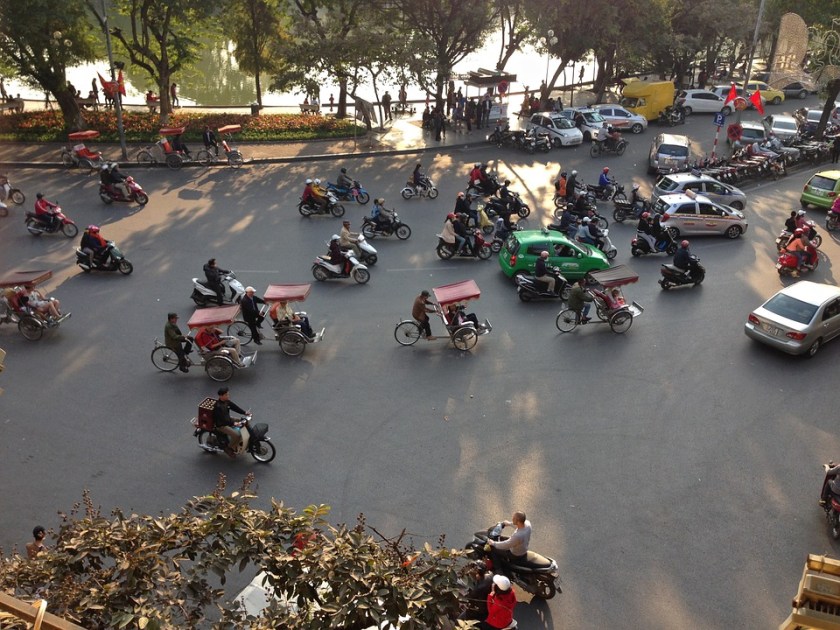
How lovely is this? As a child, my mother and I use to jump on a trishaw after our trip to the wet market. I use to watch the spokes go round and round and I still can hear the “Tak tak tak” sound the wheels make as we head home. It’s always a magical experience no matter how short the trip was. Took less than 5 minutes to reach our home from the market on a trishaw and I’ve sat in it for years and years with my mum, but it never grows old. With the wind in my face, the clicky round of the rickshaw, and just cuddled beside my mum with all our groceries at my feet, the world was our oyster.
When Cycling Without Age it just brought back all these lovely memories of my childhood. I wondered how wonderful would this be for it to be reintroduced into the community. There would be so many older adults in Asia whose main form of transport was the bicycle or the trishaw at a point of their time in their youth. As we aged and our physical abilities deteriorate, we lose our abilities to cycle and with it, our memories of freedom, that wind in your hair, the road just beneath your feet, to go wherever you wanted to go and be wherever you wanted to be.
Such an intervention can only bring generations together, a real intergenerational project of adventure and bonds. To bring people closer through the love of freedom and the outdoors.
I’m so glad to see this in Singapore and I hope that more Singaporeans will jump on board to support this movement!
If you have time, have a read of these 21 inspirational stories from Cycling without Age http://cyclingwithoutage.org/book/
Read about a community that has come together to age together at the Wakabadai public housing estate.
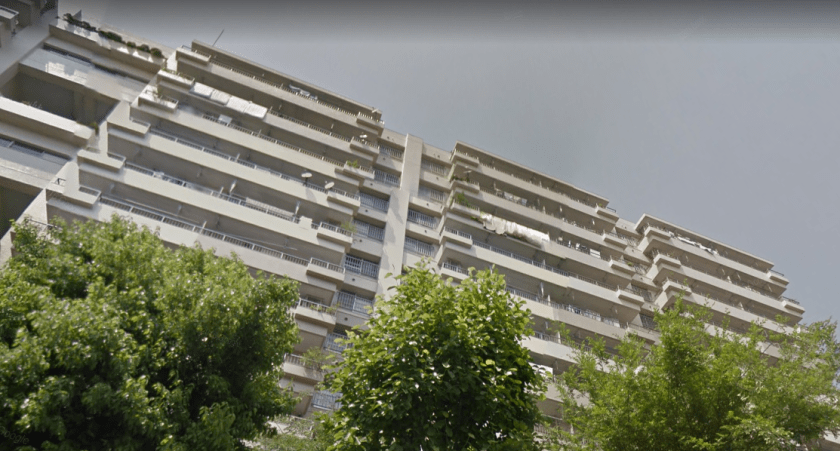
Recently Channelnewsasia did a piece on the Wakabadai housing estate in Yokohama, Japan. It’s a really interesting estate and the means in which the estate has been configured bears many similarities to the high rise housing estates found in the big cities where we all live a wall away from our neighbours. However, despite living in the same building for 30 to 40 years a lot of us may just be acquaintances, saying the passing “hi” and “hellos” as we greet each other at the elevator or when we pass each other along the corridors.
A few years ago, I visited a couple who lived alone in a little apartment with two bedrooms, their children had moved out and the husband was caring for his wife with dementia. She is very quiet and apathetic. His greatest worry was that he may suffer a stroke or a heart attack and is unable to get help in time and both of them may pass away in their apartment despite being surrounded by hundreds or thousands of people living in the building. He cited a neighbour living a few floors below them, who had passed away without anyone noticing until a number of days later. He talked about the need for services for families like them, and many services assume that because they have children, there would be someone watching out for them. However, with the busy lives that his children lead, looking after their families and juggling work, they could only call in on the weekends and rightly so with the changing landscape of the economy.
His son offered to have them stay with him but leaving their much familiar neighbourhood might be too much for his wife. Even now she would get agitated if they left the vicinity. For them this is home, this is where they had built their lives, house their memories, thrived in their love, and they wouldn’t want to live anywhere else.
Why is it that when we grow old, we have to move away? We have to sell our home, move into a retirement village and start all over again. I want to live in a place that will evolve and age as I age, that grows old as I do.
Back to Yokohama, the Wakabadai public housing estate is just that, with slightly less than half of the residents 65 years and older, the people living in the estate are ageing in place together. To date, there is a total of 14,658 residents living in the estate in 6,304 units. To ensure that they needs are met, they have come together with organisations and council to organise a range of services.
Map of Wakabadai
Social Engagement for Older Adults:
The Wakabadai Non-Profit Organisation enables social activities such as health, music, cultural and sporting events to be held in the vicinity. Himawari provides a space for volunteers to interact with older adults over a cuppa. Residents are also keenly aware of “kodokushi”, which refers to people who are living alone and have passed away and their deaths have gone unnoticed by the community. In Wakabadai, residents band together and keep a keen eye out for the sudden build up of mail or newspaper in the mailboxes of older residents and the mail continues to be left unattended with no notice that the resident might be away.
A paid service is also available at the Himawari Community Centre where they can have a staff to ring their phones to ensure they are alright. They can also have a spare key stored at Himawari for approximately 500 yen.
In addition, celebrations during festive periods are arranged by the organisation to encourage engagement among the residents. Sports events are also organised regularly to encourage and promote a healthy lifestyle among residents.
Wakadabai Estate
Creating an Intergenerational Community:
To encourage engagement from children and younger adults, a facilty for mothers group known as Wakaba Family Plaza Soramame can be found in Wakadabai. A safe space for mother’s of infants and toddlers to interact, support and exchange vital parenting information with each other and older adults. Older adults with early childhood qualifications can find work as advisors, helping to support young mothers, sharing with them their years of wisdom. Coming into Wakaba Family Plaza Soramame, you may find three generations interacting and hanging out together.
Meaning Occupation:
The Wakabadai Non-Profit Organisation also helps to find jobs for older adults.
Older adults can also showcase their culinary skills at Haru Dining, a restaurant staffed by older women living in the area serving up old school, heartwarming home cooked meals.
Assistance with Activities of Daily Living:
Residents can also tap on a home help service at the cost of 490 JPY per hour which covers everything from house chores to transport to get their food or groceries delivered. Transport is highly efficient with buses running every 3 mins to the major train station, currently, residents are campaigning for a train station to be built close to their vicinity.
Other accessible facilities in the area include a post office, supermarkets, salons, restaurants, shops, gyms and parks.
Healthcare:
When it comes to healthcare, the Community Centre run by the Yokohama City Council also provides exercise classes for older adults, a care facility for older adults during the day, and medical staff such as nurses are available to provide older adults health and medical advice.
In addition, Asagao, a district nursing service consisting of nursing and medical staff from an acute hospital in the area man an emergency hotline that is accessible for residents in the estate at all times of the day or night. On top of the hotline, staff also provide and provide home care to the residents in the community.
When it comes to high care needs, residential aged care facilities are also located in the estate for residents who are too frail to reside in their own home.
With all the facilities to encourage a positive ageing in place, it is no wonder that the rates of older adults requiring nursing care much lower than the average rates found in other estates in Yokohama. In Wakabadai, the rates of nursing care currently stand at 12 percent whereas, on average 17.5 percent of older adults in each estate is found to require nursing care at home.
Wakadabai has shown that ageing in place is possible and it is achievable in the big cities with high-density living. With key elements in place, council and community support, we all can grow old gracefully in the luxury of our homes.
In residential aged care, how many times have you heard the howls of frustrations as management and staff, shake their fist in the air, bicker and scratch their heads to work out how to improve dementia care at the same time balance the books. It’s a constant frustration, not just for the staff but for the residents with dementia and caregivers as well as they continue to pay for care and feel that they are unheard, unseen and their needs have gone unnoticed.
Good news, the latest study was presented at the Alzheimer’s Association International Conference from the University of Exeter and carried out in collaboration with University College London, Hull, Bangor and Alzheimer’s Society UK. The study evidently highlighted the fact that activities carried out in line with the philosophy of Person-Centred Care, coupled with a week of social activities resulted in a reduced in responsive behaviours in dementia and improve the quality of life for residents with dementia in a residential care home.
The large scale study funded by the National Institute for Health Research was carried out in 69 residential care homes in the United Kingdom and consisted of 800 residents with dementia. Each of the 69 residential care home had two staff attend a four-day session, training them to socially engage with residents with dementia and finding out what residents would like in the areas of their care needs. When executed, this person-centred care approach coupled with an hour of social engagement found that not only was there a reported in the increase in quality of life but a reduction in responsive behaviours of dementia resulting in cost savings in dementia care to the organisation compared to care without such interventions.
“Taking a person-centred approach is about really getting to know the resident as an individual – knowing their interests and talking with them while you provide all aspects of care. It can make a massive difference to the person themselves and their carers. We’ve shown that this approach significantly improves lives, reduces agitation and actually saves money too. This training must now be rolled out nationwide so other people can benefit.”
-Dr Jane Fossey ( Oxford Health NHS Foundation Trust)
With the success of this study, the researchers are potentially aiming to have this intervention carried out in 28,000 residential care homes in the country, potentially positively impacting up to 300,000 residents with dementia.





 Designing for Aged Care